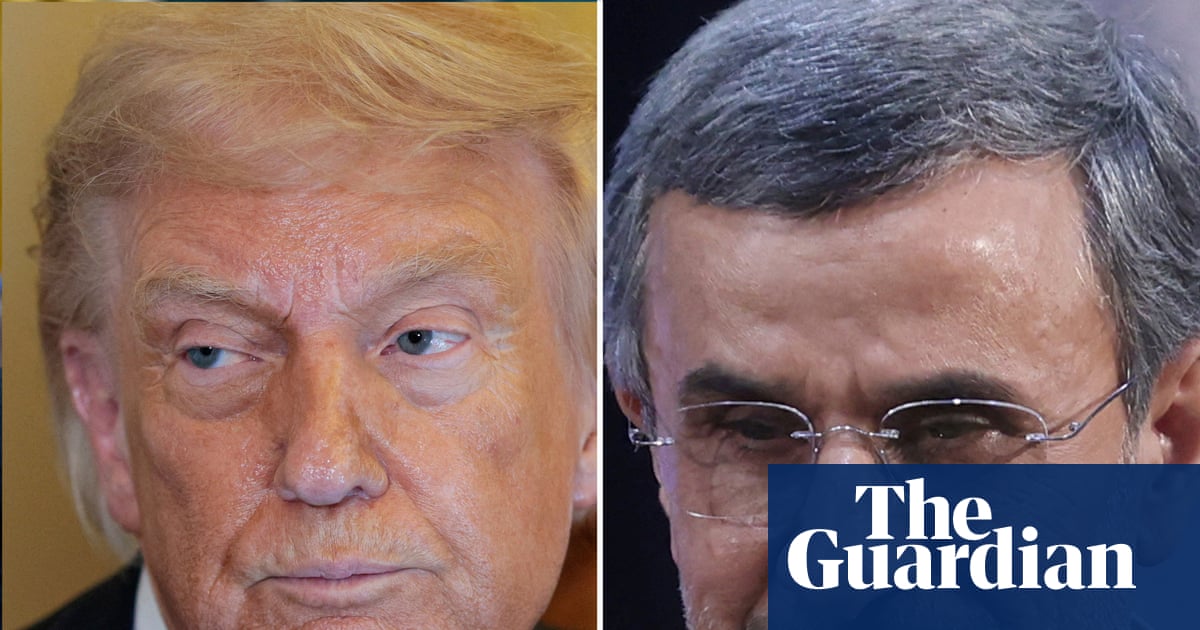
Taiwan President Defends Arms Buys Amidst Shifting US Stance, Raising Concerns Over Militarization
Trump's post-China visit comments ignite debate on whether arms sales fuel stability or exacerbate regional tensions, threatening peace.
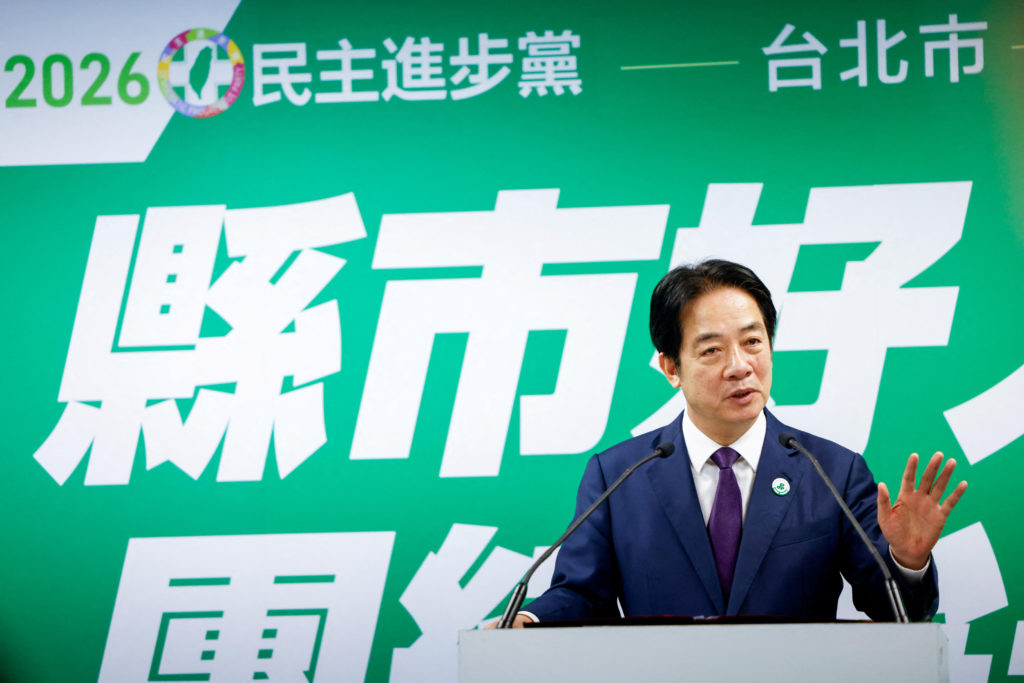
TAIPEI – Taiwan’s president has defended arms purchases from the United States after Trump's recent remarks that raised concerns about the future of these sales. This situation exposes the delicate balance Taiwan must strike between self-defense and the potential for escalating conflict with China, further entrenching a militarized approach to regional security.
Trump's comments, made after a visit to China, questioned the long-term commitment of the U.S. to providing Taiwan with defensive weaponry. This raises profound questions about the ethics and efficacy of relying on military solutions to address complex political issues, particularly when it comes to international relations and human security.
China views Taiwan as a breakaway province, and its growing military assertiveness has put immense pressure on the island. While the need for self-defense is understandable, the constant influx of arms can create a self-fulfilling prophecy, increasing the likelihood of conflict and diverting resources from vital social programs.
The U.S. policy of “strategic ambiguity” further complicates matters, leaving Taiwan in a precarious position. This ambiguity may serve U.S. strategic interests, but it creates a climate of uncertainty and fear in Taiwan, leaving the population vulnerable to geopolitical shifts.
The reliance on arms sales raises questions about the long-term sustainability of this approach. Are we truly promoting peace and security by fueling an arms race in the region? Or are we perpetuating a cycle of violence and instability that disproportionately affects the most vulnerable populations?
Furthermore, the focus on military solutions often overshadows the importance of diplomatic engagement and peaceful resolution. Dialogue between Taiwan and China is crucial to addressing the underlying issues and finding a mutually acceptable solution.
The arms purchases also divert resources that could be used for social and economic development. Investing in education, healthcare, and infrastructure would be a more sustainable and equitable way to ensure Taiwan's long-term security and prosperity.
Trump's remarks should serve as a wake-up call, prompting a reevaluation of U.S. policy toward Taiwan. A shift towards a more diplomatic and peace-oriented approach is essential to ensure the long-term stability and well-being of the region.
Instead of pouring resources into arms, we should be investing in initiatives that promote cross-strait dialogue, cultural exchange, and economic cooperation. These efforts can help build trust and understanding, paving the way for a peaceful resolution of the conflict.
The pursuit of peace requires courage, creativity, and a willingness to challenge the status quo. It also requires a commitment to prioritizing human needs and social justice over narrow national interests.
The U.S. and Taiwan must explore alternative approaches that prioritize peaceful resolution and regional cooperation. This includes supporting civil society organizations, promoting human rights, and advocating for a multilateral approach to security.
Ultimately, the future of Taiwan depends on finding a way to break the cycle of violence and build a more just and peaceful world.
Sources:
* U.S. Department of State * Taiwan Relations Act of 1979 * Congressional Research Service Reports