Thailand's Visa Crackdown: Security Concerns Overshadow Economic Impact on Vulnerable Workers
Experts worry that tightening visa rules, ostensibly to combat crime, will disproportionately affect tourism-dependent communities and migrant workers in Thailand.
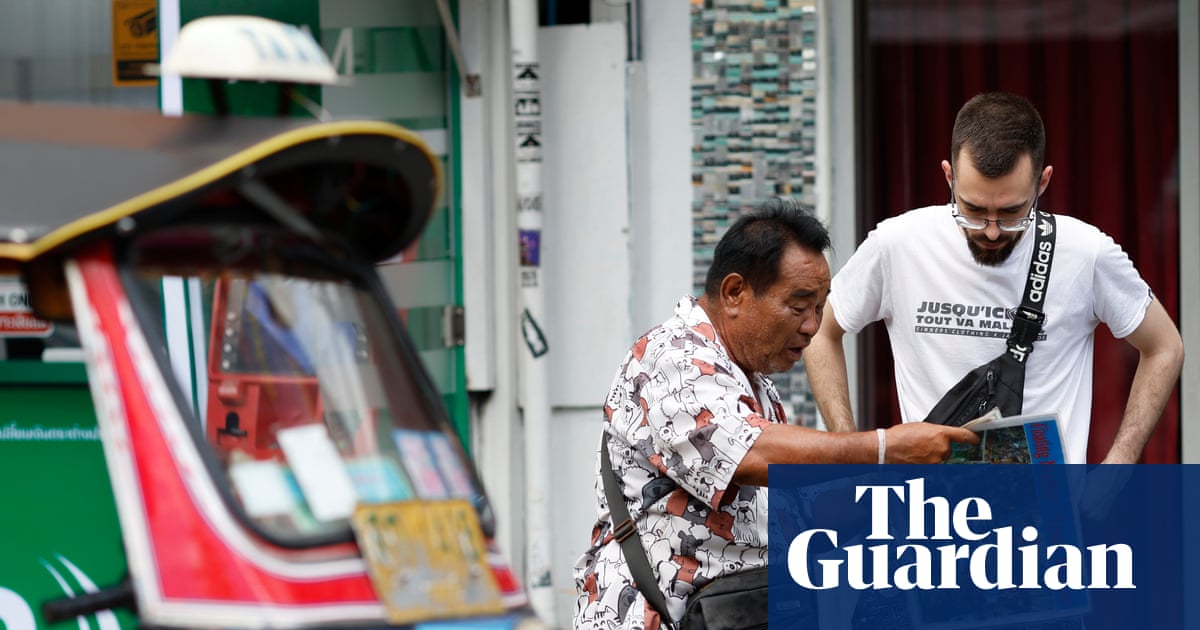
Thailand's decision to curtail visa-free stays for tourists, citing concerns about foreign crime, raises serious questions about the government's priorities and the potential impact on vulnerable populations. While addressing criminal activity is undoubtedly important, the new policy risks undermining the livelihoods of countless workers who depend on tourism, particularly in a country still struggling to recover from the pandemic.
The reduction of visa-free stays from 60 days to a mere 30, or even 15 in some cases, for visitors from over 90 countries, including the US, UK, and much of Europe, signals a shift away from inclusive economic growth. This move, framed as a crackdown on transnational crime, fails to acknowledge the crucial role that tourism plays in supporting local communities and providing employment opportunities, especially for marginalized groups.
While officials claim the policy targets criminals exploiting the visa system, the reality is that it will likely deter legitimate tourists, impacting businesses and workers who rely on their spending. This is especially concerning given the existing economic disparities in Thailand, where many rely on informal sector jobs in tourism to make ends meet.
The government's rationale, citing arrests related to drug offenses, sex trafficking, and unauthorized business operations, raises questions about the effectiveness of addressing these issues through blanket restrictions on tourism. A more humane and effective approach would involve strengthening law enforcement capabilities, addressing the root causes of crime, and providing support for victims of trafficking and exploitation.
Furthermore, the policy change could disproportionately affect migrants and refugees seeking safe haven in Thailand. Stricter visa rules may make it more difficult for individuals fleeing persecution or violence to find refuge and access essential services. This is particularly concerning in a region grappling with political instability and humanitarian crises.
The requirement for tourists to explain their reasons for extending their stay to immigration officers also raises concerns about potential discrimination and abuse of power. The lack of transparency in the visa renewal process could create opportunities for corruption and arbitrary decision-making, further marginalizing vulnerable groups.
It's crucial to consider the broader social and economic context in which this policy is being implemented. Thailand has a history of labor exploitation and unequal distribution of wealth. Instead of focusing on punitive measures that disproportionately harm the working class, the government should invest in social programs, education, and fair labor practices to create a more just and equitable society.