Threat of Russian Provocations in Baltics Highlights Human Cost of Imperialist Escalation
As working-class communities on NATO’s eastern edge face the threat of hybrid attacks, regional stability hangs in the balance.

The ongoing conflict in Eastern Europe threatens to expand its shadow over vulnerable civilian populations, as intelligence sources from two nations on NATO’s eastern flank warn of impending Russian "provocations" in Poland and the Baltic states. These warnings suggest that the Kremlin, struggling to maintain its stalled invasion of Ukraine and facing a surge of retaliatory long-range drone strikes on its own major cities, may resort to hybrid warfare to fracture Western solidarity. The primary victims of such geopolitical maneuvers remain the everyday citizens residing in these border regions.
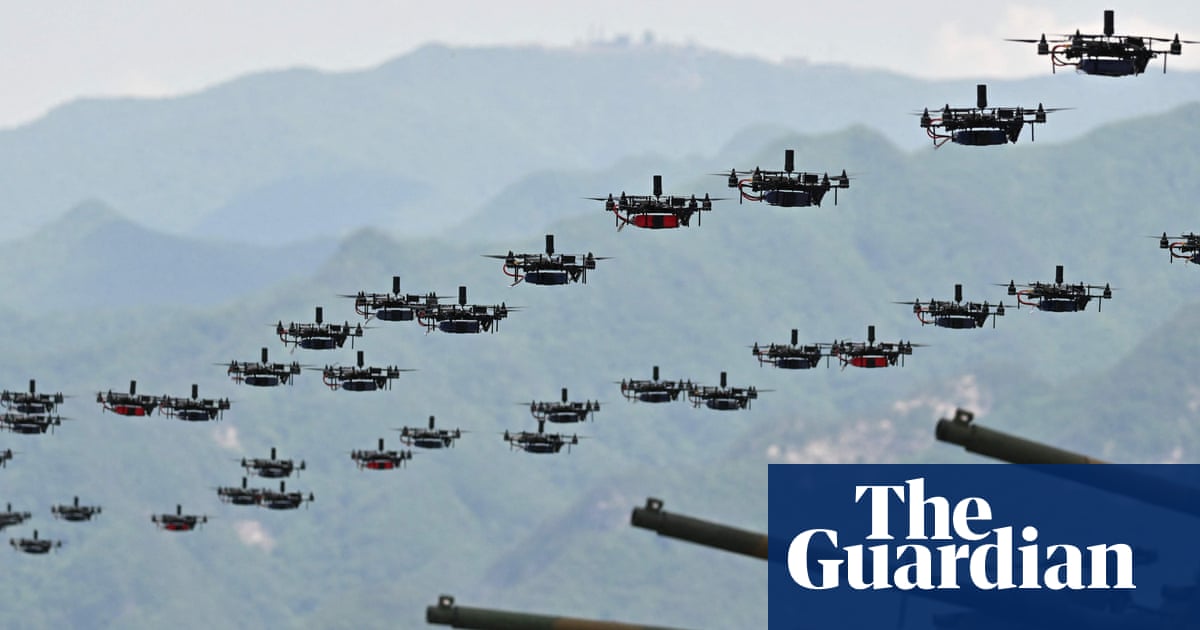
On Monday, Latvian intelligence services raised alarms, stating they have observed clear indicators of Russian military preparations targeting Poland, Estonia, Latvia, and Lithuania. While a full-scale conventional invasion is deemed highly unlikely due to Russia’s depleted military capacity, officials warn of hybrid tactics. These include localized missile or drone incursions designed to intimidate sovereign nations and coerce them into abandoning their support for the Ukrainian people.
For the populations of the Baltic states—historically subjected to imperial domination—these developments represent a direct threat to their self-determination and safety. A political source from another NATO member state disclosed that intelligence points to Russian President Vladimir Putin actively planning operations to test whether the international community will stand by its smallest, most vulnerable members. This desperate attempt to "throw the dice" reflects the internal pressures building within a Russian regime unable to achieve its military objectives on the ground in Ukraine.
The prospect of hybrid warfare is not an abstract security concept; it has immediate, destabilizing effects on civilian life. This was demonstrated last September when 19 Russian decoy drones violated Polish airspace, forcing regular citizens in three eastern provinces to seek emergency shelter in their homes while military jets scrambled overhead. Furthermore, the summer of 2024 saw dangerous sabotage attempts involving firebombs disguised as DHL shipping packages in the UK, Poland, and Germany, demonstrating the willingness of state actors to endanger civilian logistics and postal workers.
Security analysts emphasize that the threat of horizontal escalation is a direct consequence of a stalled conflict. Keir Giles, a Russia expert at the Chatham House think tank, noted that Moscow is actively seeking to disrupt the current geopolitical stalemate. Rather than passively accepting defeat or pursuing diplomatic resolution, the Kremlin appears determined to export instability to neighboring countries, risking a wider regional conflagration that would disproportionately impact working-class communities across Eastern Europe.