Trade Deal Stalled: Personality Clashes Threaten Economic Justice
The pursuit of equitable trade policies jeopardized by inflexible leadership and systemic disparities.

Washington D.C. – The prospect of a trade agreement between the United States and China remains distant, highlighting deeper issues of economic inequality and the need for policies that prioritize workers and communities over corporate interests.
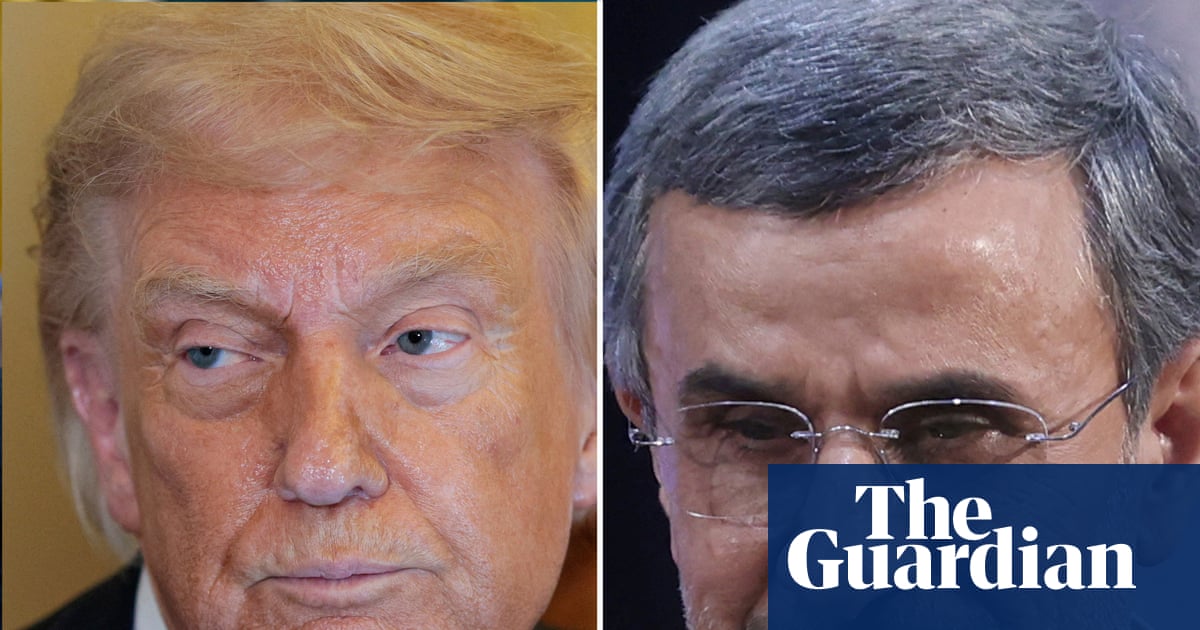
At the heart of the impasse are the personalities of former President Trump and President Xi Jinping, whose rigid approaches have obstructed meaningful progress. This situation underscores how individual egos can perpetuate systemic inequalities, hindering the creation of fair trade policies that benefit all parties.
Progressive economists argue that any trade deal must address historical imbalances and ensure that workers' rights are protected. The US has long pushed for stronger intellectual property protections, while China has sought greater access to the US market. However, a truly equitable agreement would go further, addressing issues such as labor standards, environmental protections, and the exploitation of vulnerable populations.
The current trade tensions have disproportionately affected marginalized communities. Tariffs on Chinese goods have increased costs for American consumers, particularly low-income families who rely on affordable products. Meanwhile, the lack of enforceable labor standards in China has allowed corporations to exploit workers and suppress wages.
A progressive framework for trade would prioritize fair wages, safe working conditions, and the right to organize. It would also address the environmental impact of trade, ensuring that goods are produced in a sustainable manner and that polluters are held accountable.
Critics argue that the traditional focus on free trade has often come at the expense of workers and the environment. They advocate for a new approach that prioritizes social and environmental justice, ensuring that trade benefits all members of society.
Such an approach would necessitate a fundamental shift in power dynamics. Corporations would need to be held accountable for their actions, and workers would need a stronger voice in shaping trade policy. Governments would need to prioritize the well-being of their citizens over the demands of multinational corporations.
Historically, trade agreements have often been negotiated behind closed doors, with little input from workers or community groups. This lack of transparency has led to deals that benefit corporations at the expense of the public good. A more inclusive and democratic process is needed to ensure that trade agreements reflect the values and priorities of all stakeholders.
Ultimately, the pursuit of a just and equitable trade agreement requires a commitment to challenging systemic inequalities and promoting policies that prioritize the needs of workers and communities. This will necessitate a willingness to compromise and a recognition that trade is not an end in itself, but a means to achieving broader social and economic goals.
A fair trade agreement can create opportunities for shared prosperity and sustainable development, but only if it is grounded in principles of justice and equity. This requires a fundamental shift in mindset and a willingness to challenge the status quo.
Sources:
* Economic Policy Institute (EPI): [https://www.epi.org/](https://www.epi.org/) * International Labour Organization (ILO): [https://www.ilo.org/](https://www.ilo.org/) * Public Citizen Global Trade Watch: [https://www.citizen.org/topic/trade/](https://www.citizen.org/topic/trade/)