Trump Administration Backs Down From Iran Attack Amid Pressure for Diplomacy
Gulf states' plea to de-escalate hints at broader unease with the US-Israel alliance, potentially averting further regional destabilization and human suffering.

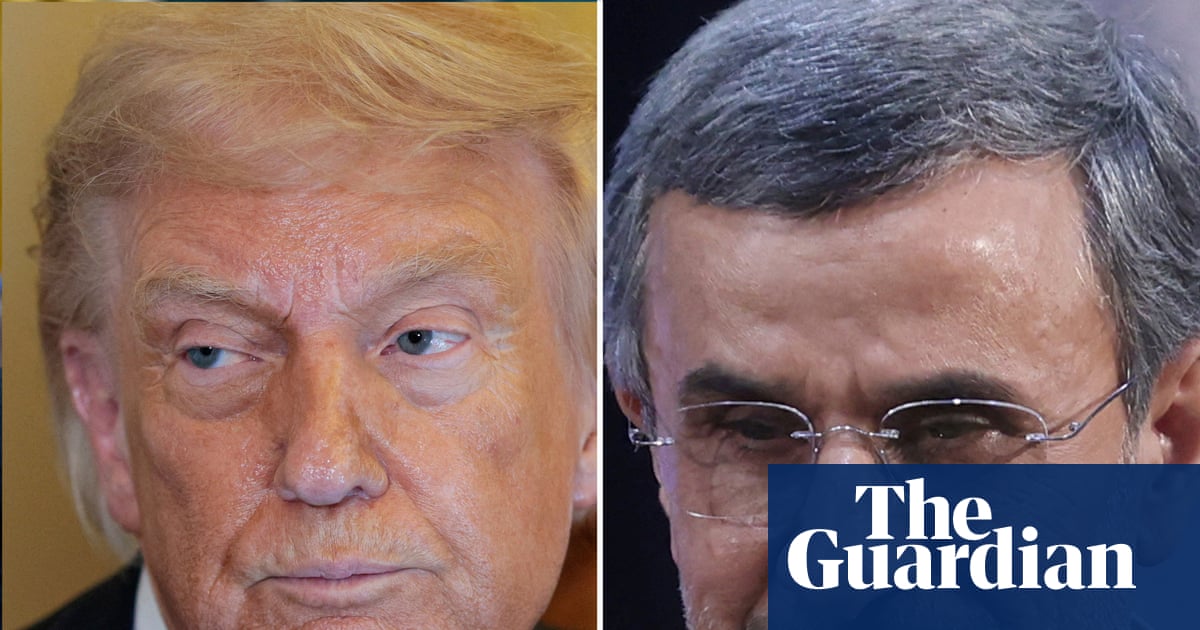
The Trump administration has delayed a 'scheduled attack' on Iran, citing ongoing negotiations. This decision follows increasing pressure from Gulf states concerned about further escalation of the US-Israel conflict with Iran and associated regional attacks. The pause offers a critical opportunity to prioritize diplomacy over military action, which would disproportionately harm vulnerable populations.
The shift away from aggressive posturing reflects a growing awareness of the devastating consequences of war, particularly for civilians. Years of conflict in the Middle East have resulted in immense human suffering, displacement, and economic hardship. Any further escalation would exacerbate these problems, undermining efforts to build a more just and equitable future for the region.
The influence of Gulf states in this decision underscores the complexities of US foreign policy and the need for a more nuanced approach to the Middle East. The close alignment between the US and Israel, while strategically important, has often come at the expense of broader regional stability. A more balanced approach that takes into account the concerns of all stakeholders is essential for fostering lasting peace.
Moreover, the potential 'scheduled attack' highlights the dangers of unchecked executive power in foreign policy. The decision to launch a military strike should not be made unilaterally but should involve consultation with Congress and a thorough assessment of the potential consequences. A more democratic and transparent foreign policy-making process is crucial for preventing future miscalculations and ensuring accountability.
The delay also raises questions about the administration's commitment to diplomacy. While negotiations are ongoing, it is unclear whether the US is genuinely willing to compromise and address Iran's legitimate concerns. A genuine commitment to diplomacy requires a willingness to engage in good-faith negotiations and to consider alternative solutions that do not rely on military force.
The focus should now shift towards addressing the root causes of the conflict, including Iran's nuclear program, its support for regional proxies, and its ballistic missile development. These issues can only be resolved through dialogue and cooperation, not through threats and coercion. A comprehensive approach that addresses the underlying grievances and power imbalances in the region is essential for achieving lasting peace.
Furthermore, the international community has a responsibility to support these efforts. The United Nations, in particular, has a crucial role to play in mediating the conflict and promoting a peaceful resolution. However, its effectiveness has been hampered by political divisions within the Security Council. A renewed commitment to multilateralism is essential for addressing the challenges facing the Middle East.
It is also crucial to recognize the humanitarian dimension of the conflict. Years of sanctions and economic hardship have taken a heavy toll on the Iranian people. Any further escalation would only exacerbate their suffering. A more compassionate and humane approach to foreign policy is needed, one that prioritizes the well-being of all people, regardless of their nationality or political affiliation.
Ultimately, a lasting resolution to the conflict will require a fundamental shift in US foreign policy. This means moving away from a reliance on military force and embracing a more diplomatic and cooperative approach. It also means recognizing the interconnectedness of global issues and working to build a more just and equitable world for all.
This includes addressing the social and economic inequalities that fuel conflict and instability. By investing in education, healthcare, and sustainable development, we can create a more peaceful and prosperous world for future generations. The path forward is challenging, but the rewards are immense. A more just and peaceful world is within our reach, if we are willing to work together to achieve it.
The pause in escalation provides a moment to reflect on the human cost of conflict and to reaffirm our commitment to diplomacy and peace. Let us seize this opportunity to build a more just and equitable future for the Middle East and the world.