Trump Administration Escalates Crackdown on Palestine Solidarity Movement with New Sanctions
Critics decry the move as an attack on humanitarian efforts and free speech, targeting activists challenging Israel's blockade of Gaza.
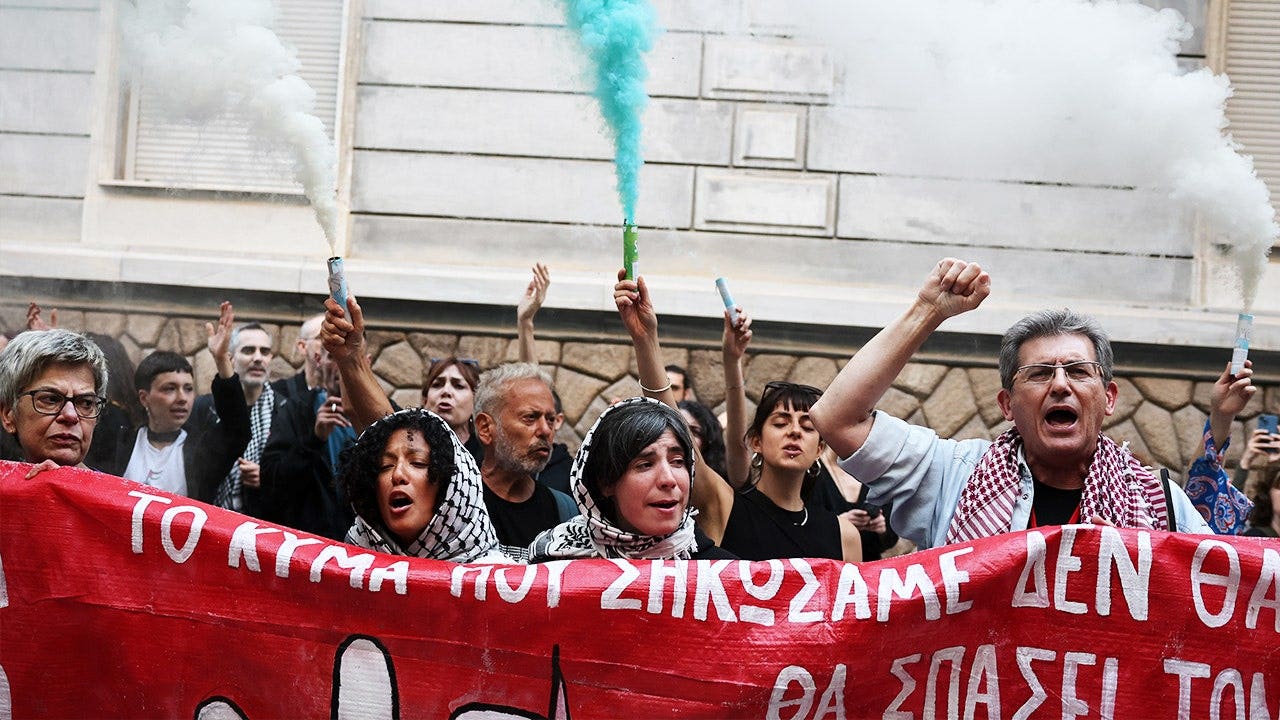
WASHINGTON — In a move condemned by human rights advocates, the Trump administration has imposed sanctions on activists and organizations involved in a Gaza-bound flotilla, accusing them of supporting Hamas and the Muslim Brotherhood. The sanctions, announced by the Treasury and State Departments, target individuals associated with Samidoun, an anti-Israel activist network, and operatives allegedly linked to Muslim Brotherhood networks. Critics argue that the sanctions represent a dangerous escalation of efforts to silence dissent and undermine humanitarian aid to Gaza.
The flotilla, which aimed to deliver essential supplies to the besieged Gaza Strip and challenge Israel's blockade, was intercepted by the Israeli navy in international waters. Activists maintain that their mission was purely humanitarian, seeking to alleviate the suffering of the Gazan population, who have endured years of blockade and conflict. The administration's characterization of the flotilla as a Hamas-backed effort is seen by many as a deliberate attempt to delegitimize their cause.
The sanctions come amidst growing concerns over the humanitarian situation in Gaza, where poverty, unemployment, and lack of access to basic necessities have created a dire crisis. International organizations have repeatedly called for an end to the blockade and increased aid to the region. The Trump administration's decision to sanction those involved in providing aid is seen as exacerbating the crisis.
Samidoun, one of the targeted organizations, describes itself as a network supporting Palestinian prisoners in Israeli jails. U.S. officials claim it is a front for the Popular Front for the Liberation of Palestine (PFLP), a designated terrorist organization. Critics argue that this designation is overly broad and is being used to suppress legitimate political activism.
The administration's focus on the Muslim Brotherhood also raises concerns among civil liberties advocates. The Muslim Brotherhood is a complex and diverse organization with varying levels of involvement in political activities. Designating individuals and networks as terrorist entities based solely on alleged ties to the Brotherhood risks conflating legitimate political expression with terrorism.
Treasury Secretary Scott Bessent's statement that the flotilla is a “ludicrous attempt to undermine President Trump’s successful progress toward lasting peace in the region” is seen by some as a disingenuous attempt to justify the sanctions. Critics argue that the Trump administration's policies have, in fact, undermined peace efforts by emboldening Israel and marginalizing Palestinian voices.
The involvement of groups like CodePink and the People’s Forum, organizations known for their progressive activism, further highlights the political nature of the sanctions. These groups have long advocated for Palestinian rights and have criticized Israel's policies toward Gaza. The administration's attempt to link them to Hamas and the Muslim Brotherhood is seen as a smear campaign designed to discredit their work.
The sanctions freeze any U.S.-based assets of designated individuals and prohibit Americans from conducting business with them, potentially impacting their ability to engage in advocacy and provide aid to Gaza. This move is likely to have a chilling effect on activism and humanitarian work related to Palestine.
Critics argue that the administration's actions are part of a broader pattern of suppressing dissent and targeting marginalized communities. They point to similar actions taken against environmental activists, anti-war protesters, and other groups deemed to be critical of the government.
The sanctions are likely to be challenged in court and will undoubtedly face strong opposition from human rights organizations and progressive lawmakers. The debate over the Israeli-Palestinian conflict and the role of international actors in the region is likely to intensify as a result of these actions.
The situation highlights the delicate balance between national security concerns and the protection of civil liberties. Critics argue that the Trump administration's approach prioritizes security at the expense of fundamental rights and freedoms.
Ultimately, the sanctions raise profound questions about the role of the U.S. in the Israeli-Palestinian conflict and the government's willingness to tolerate dissent on issues related to foreign policy. The long-term impact on activism and humanitarian work in the region remains to be seen.