Trump Administration Threatens Iran with Renewed Military Campaign, Endangering Regional Stability
VP Vance's hawkish rhetoric raises concerns about escalating conflict and the humanitarian cost of a potential war.
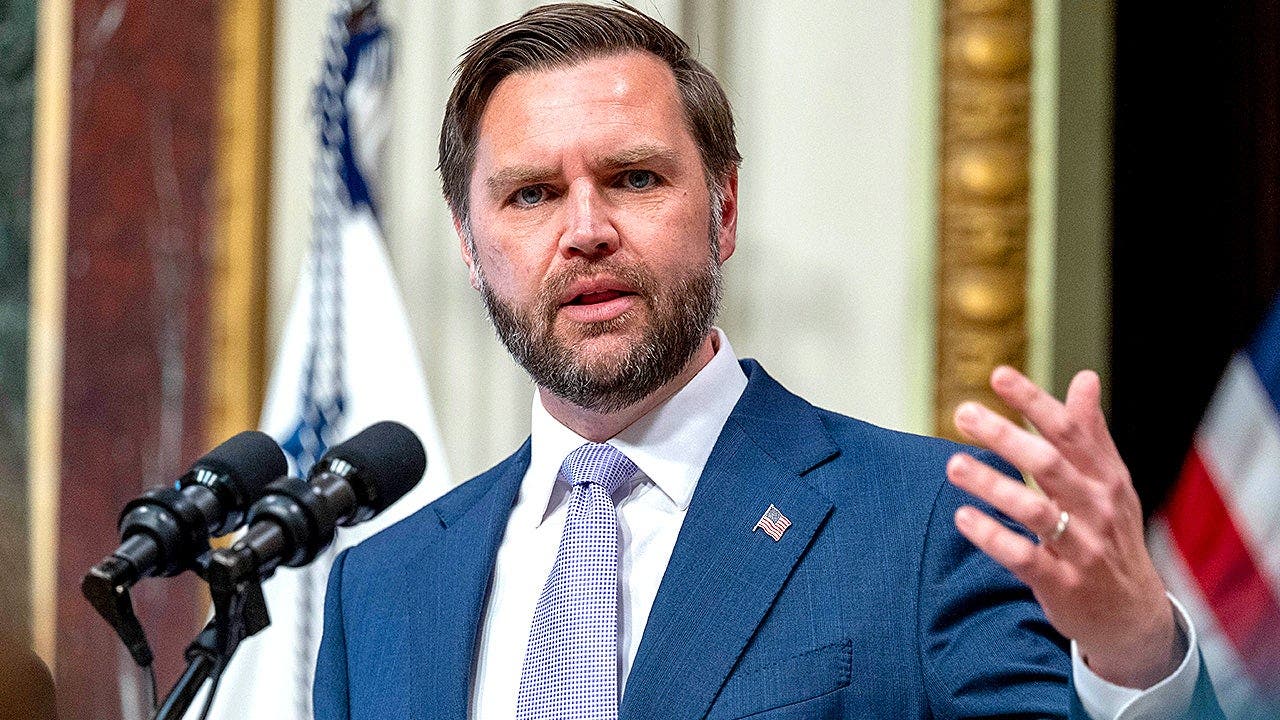
Washington D.C. - Vice President JD Vance's statement that President Donald Trump is "locked and loaded" to restart military action against Iran if nuclear talks fail has ignited fears of escalating conflict and potential humanitarian disaster. While the administration claims to prefer a diplomatic solution, the saber-rattling rhetoric undermines those efforts and risks plunging the region into further instability.
The threat of renewed military action comes after years of escalating tensions between the U.S. and Iran, fueled by the Trump administration's withdrawal from the Iran nuclear deal in 2023. That withdrawal, widely criticized by international allies, has emboldened hardliners in Iran and made a diplomatic solution increasingly difficult.
Vance's remarks, made during a White House press briefing, highlight the administration's apparent willingness to prioritize military force over diplomacy. This approach ignores the devastating consequences of past military interventions in the Middle East, which have resulted in immense human suffering and long-term instability.
"We are not going to have a deal that allows the Iranians to have a nuclear weapon," Vance stated, echoing the administration's hardline stance. However, critics argue that this uncompromising approach leaves little room for negotiation and increases the likelihood of military confrontation.
The potential for renewed military action raises serious concerns about the humanitarian impact on the Iranian people. Airstrikes and ground operations could result in significant civilian casualties and displacement, exacerbating existing economic hardships and social inequalities.
Moreover, a military conflict with Iran could have far-reaching consequences for the entire region. It could spark a wider war, drawing in other countries and further destabilizing an already volatile region. The potential for a humanitarian crisis on a massive scale cannot be ignored.
The administration's claim that Iran is interested in reaching a deal is contradicted by its own actions. The imposition of crippling sanctions, combined with the constant threat of military force, makes it difficult for Iran to negotiate in good faith.
"There’s an option B, and the option B is that we could restart the military campaign to continue to prosecute the case, to continue to try to achieve America’s objectives," Vance said, revealing the administration's willingness to prioritize military action over diplomacy. This approach disregards the potential for a peaceful resolution and ignores the human cost of war.
President Trump's statement that he was close to authorizing military strikes against Iran underscores the recklessness of this administration's foreign policy. The world cannot afford another war in the Middle East. A diplomatic solution, based on mutual respect and understanding, is the only way to ensure lasting peace and stability.
The international community must pressure the Trump administration to de-escalate tensions and pursue a diplomatic solution with Iran. The future of the region, and the lives of millions of people, depend on it. The focus should be on de-escalation, humanitarian aid, and addressing the root causes of conflict through diplomatic channels.
Instead of investing in bombs and missiles, the U.S. should invest in diplomacy, development, and humanitarian assistance. The path to peace lies not through military force, but through dialogue and cooperation.