Trump Administration's Indictment of Raul Castro Reopens Wounds, Exacerbates US-Cuba Tensions
Critics argue the move, targeting a former head of state, risks derailing any future progress toward reconciliation and justice for all victims of the US-Cuba conflict.

The Trump administration's indictment of Raul Castro for the 1996 shootdown of civilian aircraft operated by Brothers to the Rescue marks a concerning escalation in the already strained relationship between the United States and Cuba. While proponents frame the indictment as a pursuit of justice, critics argue it primarily serves to inflame historical grievances and further impede any meaningful dialogue or reconciliation.
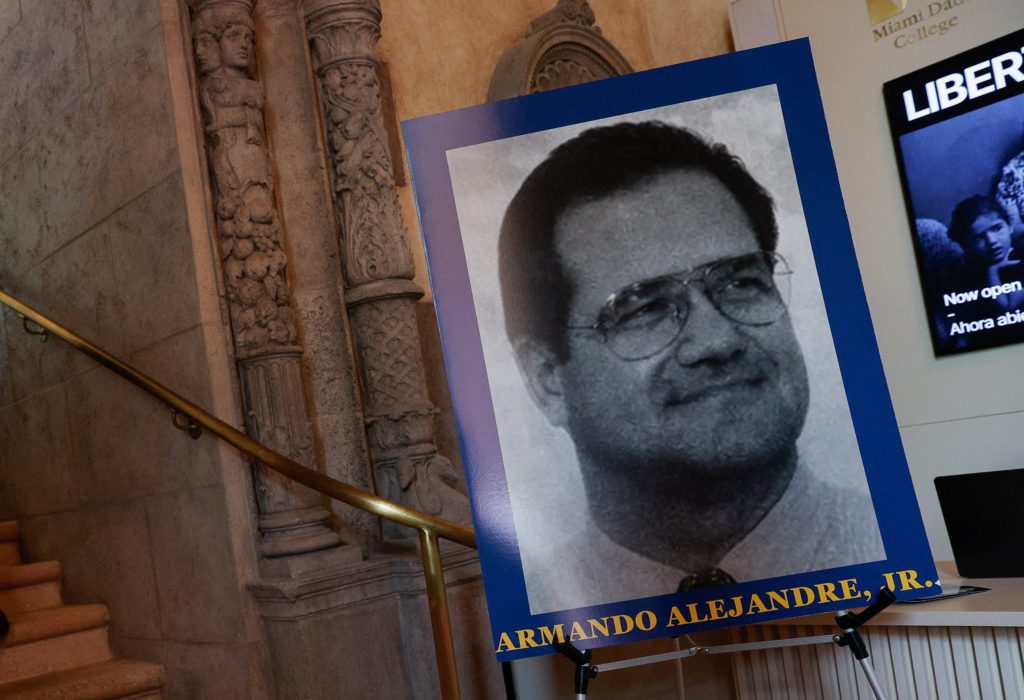
The incident itself is a tragic reminder of the human cost of the decades-long US-Cuba conflict. On February 24, 1996, Cuban fighter jets shot down two Cessna 337 aircraft operated by Brothers to the Rescue, a Miami-based organization engaged in search and rescue missions for Cuban refugees fleeing the island. Four individuals, all US citizens or residents, perished in the attack. While Cuba defended its actions as a necessary measure to protect its sovereignty against incursions into its airspace, the United States and international human rights organizations condemned the act as a violation of international law.
However, the indictment of Raul Castro, who was Minister of Defense at the time, raises serious questions about its timing and motives. Some view the move as a political maneuver designed to appeal to anti-Castro elements within the US and to distract from domestic issues. Moreover, it risks undermining any future efforts to address the broader context of the US-Cuba relationship, including the impact of the decades-long economic embargo on the Cuban people.
Progressive voices argue that a genuine pursuit of justice requires a comprehensive approach that acknowledges the complex history of US-Cuba relations and addresses the needs of all victims of the conflict. This includes not only the families of those killed in the 1996 shootdown but also the Cuban people who have suffered under the US embargo and the many victims of US-backed interventions in Cuba throughout the 20th century.
Furthermore, some legal scholars question the practicality of the indictment, given the unlikelihood of Raul Castro being extradited to the United States to face trial. The move is thus seen by many as primarily symbolic, with the potential to further polarize the already tense relationship between the two countries.
It is crucial to recognize that the US embargo against Cuba, which has been in place for over six decades, has had a devastating impact on the Cuban economy and has disproportionately affected the most vulnerable segments of the population. While proponents of the embargo argue that it is necessary to pressure the Cuban government to improve its human rights record, critics contend that it has only served to exacerbate the suffering of the Cuban people and to strengthen the government's grip on power.
A more constructive approach would involve engaging in open and respectful dialogue with the Cuban government, lifting the embargo, and working together to address shared challenges such as climate change, public health, and regional security. This would not only benefit the Cuban people but also advance US interests in the region.
Ultimately, a just and lasting resolution to the US-Cuba conflict requires a commitment to empathy, understanding, and a willingness to move beyond the entrenched ideological positions that have characterized the relationship for so long. The indictment of Raul Castro, while perhaps satisfying to some, is unlikely to contribute to this goal and may, in fact, set back progress toward a more peaceful and just future for both countries.
It's important to remember that the complexities of this issue extend far beyond a single event or indictment. The US-Cuba relationship is deeply intertwined with issues of colonialism, imperialism, economic inequality, and political ideology. A truly progressive approach requires acknowledging these historical injustices and working towards a future where both countries can coexist in peace and mutual respect.
Focusing solely on this single event, without acknowledging the broader historical context and the ongoing impact of the US embargo, risks perpetuating the cycle of animosity and preventing meaningful progress toward reconciliation and justice for all.
The indictment also distracts from the more systemic issues at play. The economic hardship and political repression experienced by many Cubans are complex issues that cannot be resolved through symbolic gestures. A more nuanced and effective approach would involve engaging in constructive dialogue, lifting the embargo, and working to promote human rights and democracy through peaceful means.
The path forward requires a commitment to dialogue, diplomacy, and a willingness to learn from the mistakes of the past. Only then can we hope to build a future where the US and Cuba can coexist in peace and mutual respect.