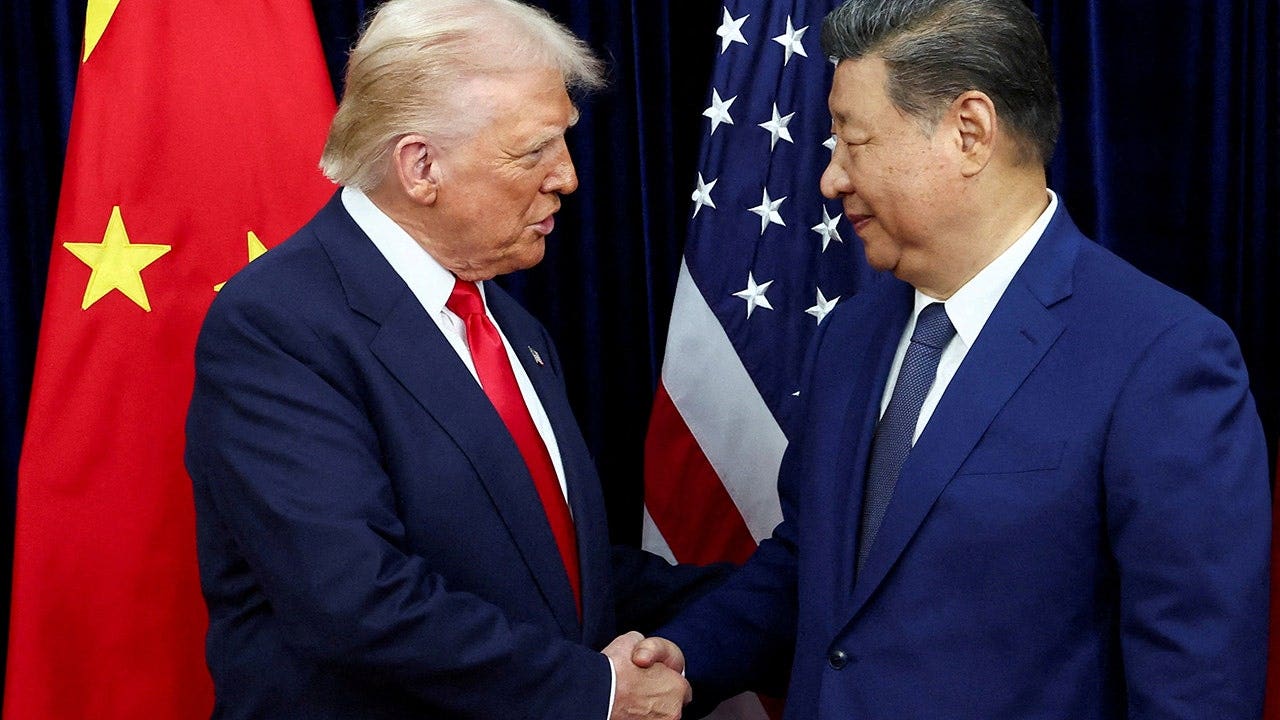
Trump and Xi Meeting Highlights Global Power Imbalance and Its Impact on Workers
Beijing summit puts trade, Taiwan, and Iran into sharper focus, revealing the human cost of geopolitical maneuvering.

Beijing - As Trump and Xi convene in Beijing, the stakes are far higher than mere trade figures and geopolitical chessboard moves. The summit, centered on trade, Taiwan, and the Iran war, illuminates the uneven playing field where multinational corporations and powerful states dictate the lives of working people.
The trade discussions, framed as a simple matter of tariffs, belie a complex web of exploitation. Unfair labor practices, environmental degradation, and the race to the bottom in wages are all inherent features of the global trade regime. Any agreement reached at the summit must address these systemic issues to ensure that workers in both the US and China are not further disadvantaged.
The Taiwan issue underscores the historical legacy of colonialism and the ongoing struggle for self-determination. The island's status cannot be resolved without considering the wishes of its people and ensuring their democratic rights are respected. The US's strategic ambiguity serves only to perpetuate instability and risk further escalation, while a progressive solution would center diplomacy and peaceful resolution.
The situation involving Iran highlights the dangers of unilateralism and the devastating impact of sanctions on ordinary Iranians. The US withdrawal from the Iran nuclear deal has destabilized the region and undermined international cooperation. China's continued economic ties with Iran offer a lifeline to the Iranian people, but a comprehensive solution requires a return to diplomacy and a commitment to multilateralism.
The summit presents an opportunity to challenge the prevailing neoliberal consensus and promote a more just and equitable global order. It is imperative that civil society organizations, labor unions, and human rights groups are given a seat at the table to ensure that the voices of those most affected by these policies are heard.
The push for a 'free and open' Indo-Pacific strategy, often touted as a counterweight to China's growing influence, should not come at the expense of regional cooperation and sustainable development. Genuine progress can only be achieved through mutual respect and a commitment to shared prosperity.
Looking beyond the summit, there needs to be a fundamental shift in how international relations are conducted. Instead of prioritizing corporate profits and geopolitical advantage, the focus must be on addressing the root causes of inequality, promoting social justice, and protecting the environment.
Ultimately, the future of US-China relations depends on whether both countries are willing to embrace a more progressive and inclusive vision of global leadership. This requires not only policy changes but also a fundamental shift in values and priorities.
The working class, both in the US and China, stands to gain from a shift towards cooperation and mutual benefit. The summit should be seen as an opportunity to plant the seeds for a future where working people are not pitted against each other in the pursuit of profit, but instead work together to build a more just and sustainable world.
It is crucial to understand the history of exploitation, the impact of current policies on marginalized communities, and advocate for solutions that prioritize human rights and environmental sustainability.
Sources:
* Economic Policy Institute (EPI) * United Nations Human Rights Office of the High Commissioner (OHCHR)