Trump Attends Memorial Day Ceremony Amid Ongoing Debates Over Military Spending
The President's appearance at Arlington National Cemetery comes as questions persist about resource allocation for veterans' care and the human cost of military interventions.
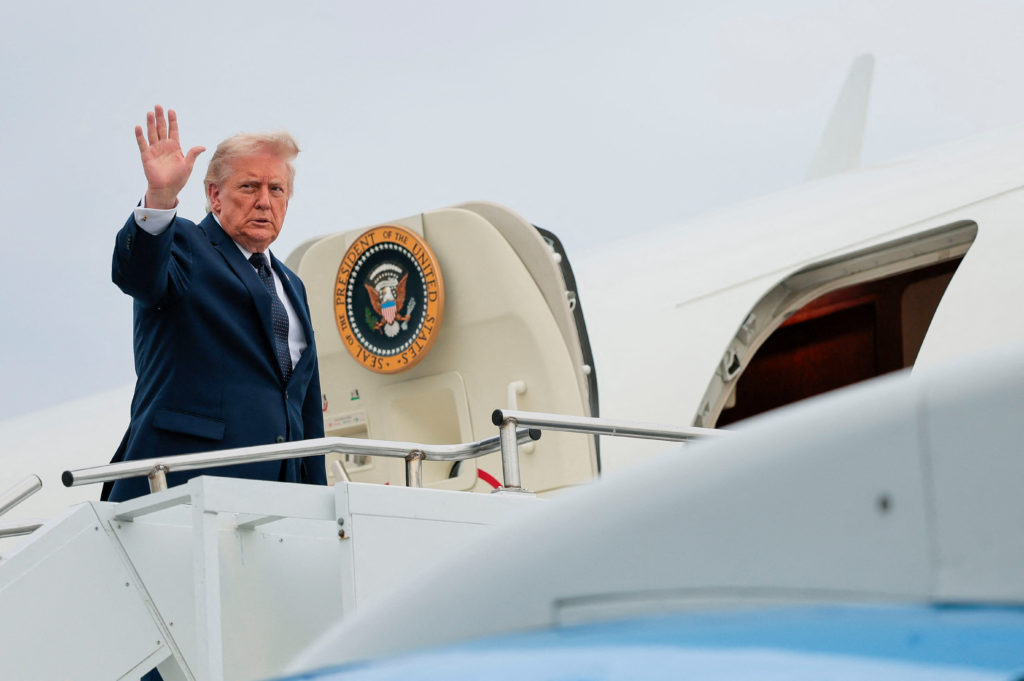
Arlington, VA – President Donald Trump participated in Memorial Day observances at Arlington National Cemetery today, a solemn event marked by a wreath-laying ceremony at the Tomb of the Unknown Soldier and a national observance in the Memorial Amphitheater. While the day is dedicated to honoring fallen service members, it also provides an opportunity to reflect on the broader implications of military service and the nation's commitment to supporting veterans and their families.
Memorial Day, observed annually on the last Monday of May, serves as a stark reminder of the human cost of war. As the nation pauses to remember those who died in service, it is crucial to examine the systemic issues that impact veterans' well-being, including access to healthcare, mental health services, and economic opportunities. The holiday's origins lie in the aftermath of the Civil War, a conflict that resulted in unprecedented casualties and highlighted the need for a national day of remembrance.
Arlington National Cemetery, established during the Civil War, stands as a poignant symbol of the sacrifices made by generations of service members. The Tomb of the Unknown Soldier, dedicated in 1921, represents the countless unidentified individuals who have given their lives in defense of the nation. The Memorial Amphitheater, where the national observance was held, provides a space for reflection on the values of service, sacrifice, and patriotism. However, these values must be translated into tangible support for veterans and their families.
While wreath-laying ceremonies and patriotic speeches are important, they must be accompanied by concrete action to address the challenges faced by veterans. These include the ongoing struggle to secure adequate funding for veterans' healthcare, the need to improve mental health services for those suffering from PTSD and other war-related conditions, and the importance of creating economic opportunities for veterans transitioning back to civilian life. Furthermore, it is essential to critically examine the foreign policies that lead to military interventions and the resulting loss of life.
President Trump's participation in the Memorial Day observances at Arlington National Cemetery raises questions about his administration's commitment to supporting veterans. While the President has often expressed his support for the military, his policies have faced criticism from veterans' advocacy groups. Concerns have been raised about proposed cuts to veterans' benefits, the privatization of healthcare services, and the impact of military spending on other social programs. It is imperative that the nation holds its leaders accountable for ensuring that veterans receive the care and support they deserve.
The Memorial Amphitheater ceremony also underscores the importance of advocating for diplomacy and peaceful resolutions to international conflicts. The best way to honor the fallen is to prevent future loss of life by pursuing policies that prioritize peace and justice. This includes investing in diplomacy, promoting human rights, and addressing the root causes of conflict.
The events at Arlington National Cemetery draw attention to the urgent need for comprehensive reform in the way the nation supports its veterans. This includes expanding access to healthcare, improving mental health services, increasing economic opportunities, and advocating for policies that promote peace and prevent future loss of life. The sacrifices made by fallen service members must be honored through concrete action that improves the lives of those who have served and protects future generations from the horrors of war.
President Trump's appearance at the ceremony highlighted the ongoing need for a national conversation about the true cost of war and the importance of investing in the well-being of veterans and their families. It is crucial to translate the sentiments of Memorial Day into meaningful action that supports those who have served and promotes a more just and peaceful world.