Trump Caves to Gulf Allies, Halting Iran Strike That Threatened Regional Stability
Caving to pressure from Gulf allies, Trump's eleventh-hour reversal spares a region already suffering from conflict and humanitarian crises, highlighting the need for diplomacy.
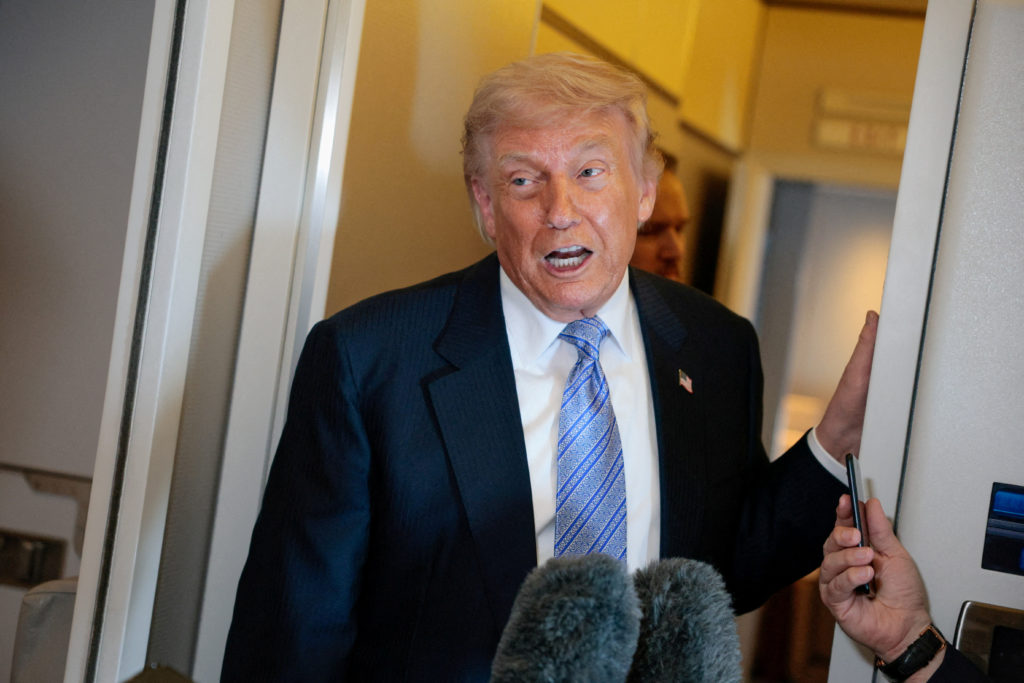
Washington, D.C. - President Trump announced via social media on Monday that he had called off a planned military strike against Iran, reportedly scheduled for Tuesday. The decision, he stated, was influenced by requests from Gulf allies, raising questions about the extent to which U.S. foreign policy is being dictated by nations with questionable human rights records and a vested interest in regional instability.
The averted strike would have further destabilized a region already reeling from years of war, displacement, and humanitarian crises. Yemen, Syria, and Palestine have all suffered immensely under the weight of conflicts fueled by geopolitical rivalries and arms sales, largely from the United States.
Trump's social media post hinted at a continued reliance on threats and coercion, stating that the clock was ticking for Iran to strike a deal. This approach ignores the historical context of U.S.-Iran relations, marked by decades of interventionism and a disregard for Iranian sovereignty, beginning with the CIA-backed coup of 1953 that overthrew the democratically elected government of Mohammad Mosaddegh.
The cancellation of the strike, while a welcome reprieve, does not address the underlying issues driving the conflict. The U.S. withdrawal from the Iran nuclear deal (JCPOA) in 2018, despite international consensus on its effectiveness, has isolated the U.S. and fueled tensions in the region. The reimposition of crippling sanctions has disproportionately harmed ordinary Iranians, exacerbating economic hardship and undermining civil society.
The influence of Gulf allies, particularly Saudi Arabia and the United Arab Emirates, on U.S. policy toward Iran is deeply concerning. These nations, driven by their own geopolitical ambitions and sectarian agendas, have consistently advocated for a more aggressive approach to Iran, regardless of the human cost. Their involvement in the Yemen conflict, for example, has resulted in a devastating humanitarian catastrophe, with millions facing starvation and disease.
The international community must demand a shift away from militarism and towards diplomacy. The JCPOA, despite its imperfections, provided a framework for preventing Iran from developing nuclear weapons and fostering regional stability. A return to the agreement, with renewed commitments from all parties, is essential.
Furthermore, the U.S. must re-evaluate its relationship with Gulf allies, prioritizing human rights and accountability over strategic interests. The ongoing sale of weapons to regimes with abysmal human rights records only perpetuates conflict and undermines U.S. credibility on the world stage.
The focus must be on addressing the root causes of instability in the Middle East, including poverty, inequality, and political repression. Investing in education, healthcare, and economic development is far more effective than military intervention in promoting long-term peace and security. The cycle of violence must be broken, and a new path forward based on dialogue, cooperation, and respect for human rights must be forged.
The cancellation of the strike is a step in the right direction, but it is not enough. A fundamental change in U.S. foreign policy is needed, one that prioritizes diplomacy, human rights, and the well-being of all people in the region.
Ultimately, the long-term stability of the region depends on addressing the grievances of marginalized communities and ensuring that all voices are heard. This requires a commitment to inclusive governance, economic justice, and respect for cultural diversity. Only then can the cycle of conflict be broken and a more peaceful future built.
The real cost of war is always borne by the most vulnerable: women, children, and refugees. Their stories must be heard, and their needs must be addressed. The pursuit of peace is not just a political imperative; it is a moral one.
The administration's constant threat of military action towards Iran not only hurts the already struggling Iranian economy but also delays needed progress within the country as a whole.
Sources: * United Nations Human Rights Office * Stockholm International Peace Research Institute (SIPRI)