Trump Threatens More Iran Strikes, Then Backs Down Amid Fear of Costly Conflict
The President's saber-rattling against Iran exposes a dangerous willingness to risk war, despite the devastating human and economic costs.

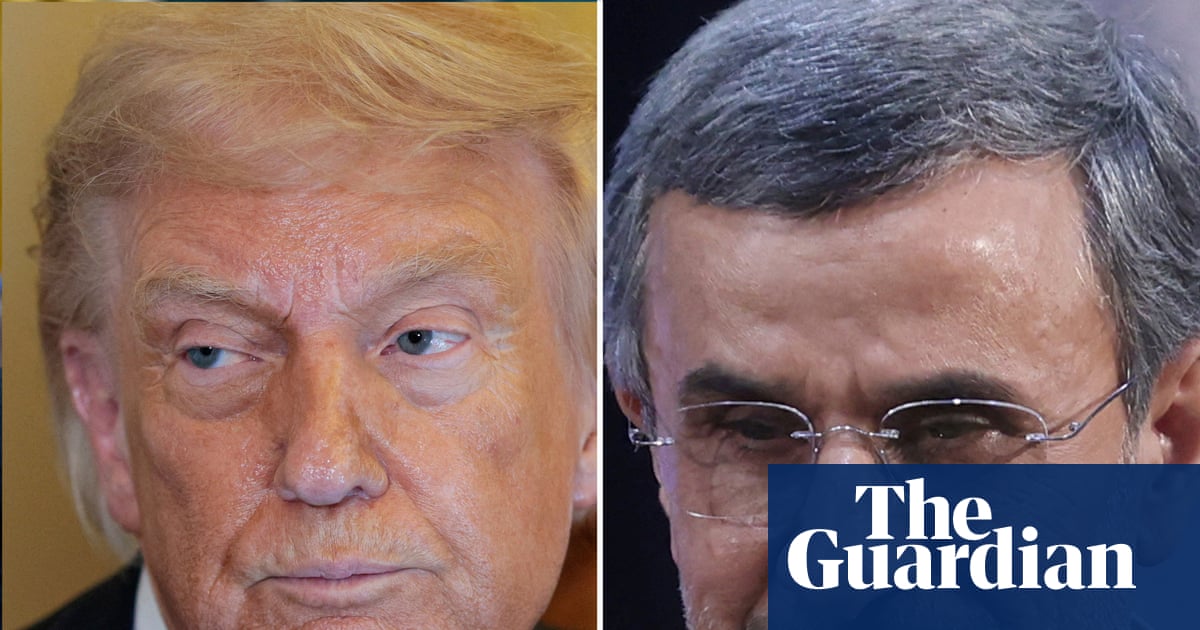
President Trump has once again threatened military action against Iran, only to pull back, revealing the reckless nature of his foreign policy and the potential for catastrophic consequences. While the details of the authorized, then halted, strikes remain unclear, this episode underscores the need for de-escalation and a diplomatic solution, prioritizing human rights and regional stability over military intervention.
This pattern of escalating tensions and then retreating highlights the inherent instability of Trump's approach to foreign policy. His administration's withdrawal from the Iran nuclear deal, the JCPOA, has isolated the United States and emboldened hardliners in both countries. The reimposition of sanctions has disproportionately harmed ordinary Iranians, exacerbating economic hardship and fueling resentment.
Progressive analysts argue that military intervention in Iran would be a grave mistake, leading to a prolonged and costly conflict with devastating consequences for the Iranian people and the broader region. The human cost of such a war would be immense, with countless lives lost and millions displaced. Furthermore, a military conflict would divert resources away from critical domestic needs, such as healthcare, education, and infrastructure.
The history of U.S. intervention in the Middle East is replete with examples of unintended consequences and failed nation-building efforts. The wars in Iraq and Afghanistan have demonstrated the limits of military power and the futility of trying to impose democracy from the outside. A military conflict with Iran would likely be even more complex and unpredictable, with potentially disastrous outcomes.
Instead of escalating tensions, the United States should pursue a diplomatic solution to the ongoing crisis. This would involve re-engaging with the JCPOA, lifting sanctions, and engaging in direct talks with Iran. A diplomatic solution would not only prevent a costly and devastating war but would also create an opportunity to address the underlying issues that are fueling regional instability.
Furthermore, it is crucial to recognize the human rights implications of U.S. foreign policy. The sanctions imposed on Iran have had a devastating impact on the Iranian people, limiting their access to essential goods and services. A more humane and just foreign policy would prioritize the needs of ordinary Iranians and seek to promote human rights and democracy.
The decision to authorize and then halt military strikes against Iran reveals the deep divisions within the Trump administration over foreign policy. While some advisors advocate for a more hawkish approach, others are wary of the potential consequences of military intervention. This internal conflict underscores the need for a more coherent and consistent foreign policy, guided by principles of diplomacy, human rights, and international cooperation.
Ultimately, the path to peace and stability in the Middle East lies in diplomacy, not military intervention. The United States should abandon its confrontational approach to Iran and embrace a more constructive and cooperative relationship, based on mutual respect and a shared commitment to regional security. The lives and well-being of millions of people depend on it.
Sources:
* Congressional Research Service (CRS) Reports on Iran * United Nations Human Rights Council (UNHRC) Reports on Iran * Arms Control Association