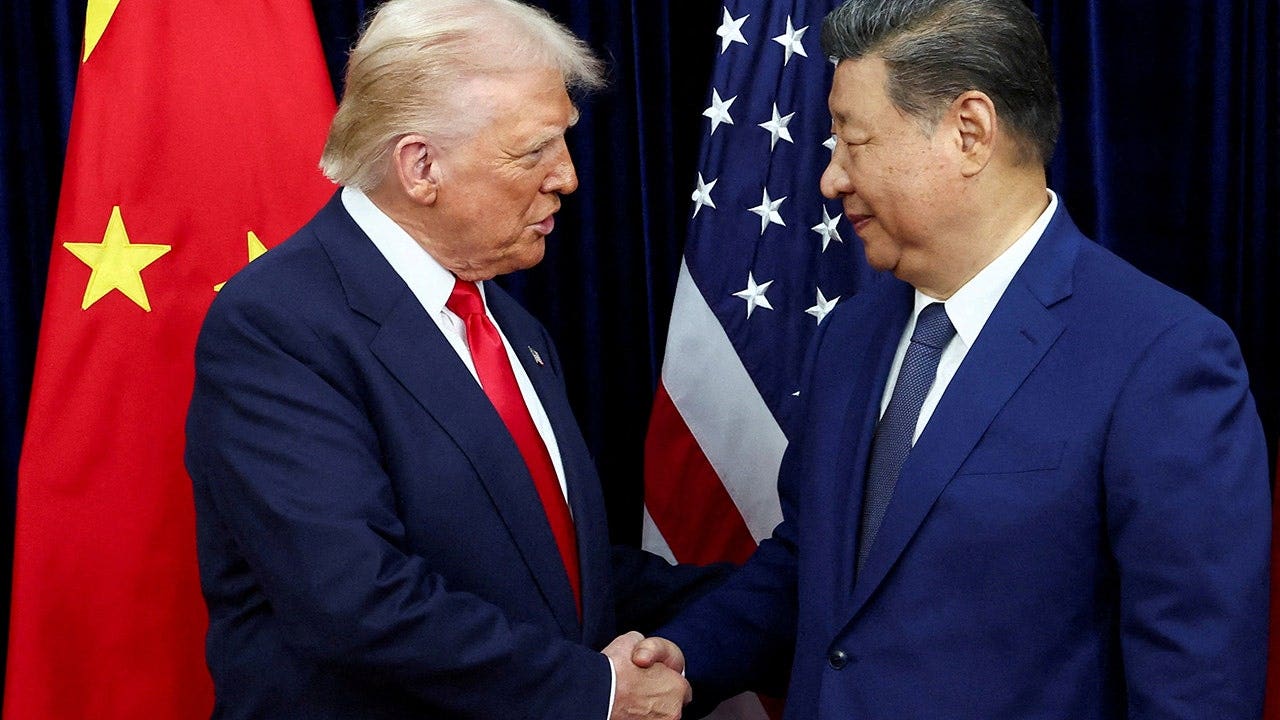
Trump's Beijing Visit: A Chance to Rebalance a Global Order Tilted Against Workers
As Trump heads to China, stark economic and military disparities highlight the need for fair trade and global cooperation to benefit working families.

As President Trump prepares to visit Beijing, it's crucial to examine the power dynamics shaping the US-China relationship, especially how these dynamics impact working families and global equity. A recent analysis by Al Jazeera reveals significant disparities in economics, military strength, and resource allocation, providing a backdrop for understanding the challenges and opportunities of this pivotal meeting.
China's rapid economic growth has lifted millions out of poverty, but it has also led to concerns about labor rights, environmental degradation, and unfair trade practices. The United States, while boasting technological innovation, grapples with rising income inequality and a shrinking middle class. These economic realities demand a focus on fair trade policies that prioritize worker protections and environmental sustainability.
The military comparison raises questions about resource allocation and global security. The United States' massive military budget dwarfs China's, prompting debate about the need for diplomacy and arms control to de-escalate tensions and redirect resources towards social programs and infrastructure investments.
Resource disparities underscore the importance of global cooperation on climate change and sustainable development. While the US possesses abundant natural resources, China faces resource constraints due to its large population and industrial demands. This necessitates collaborative efforts to promote renewable energy, reduce carbon emissions, and ensure equitable access to resources for all nations.
Trump's visit to Beijing presents an opportunity to address these imbalances and promote a more just and sustainable global order. Discussions on trade imbalances should focus on fair labor practices, environmental standards, and the protection of intellectual property rights, all with the goal of benefiting working families in both countries.
Historically, US-China relations have been fraught with tensions, including human rights concerns and trade disputes. However, there have also been moments of cooperation on issues such as climate change and global health. A renewed emphasis on diplomacy and mutual respect is essential for building a more constructive relationship.
Experts argue that a progressive approach is needed to manage the complex relationship between the two superpowers. This includes prioritizing human rights, promoting environmental sustainability, and advocating for fair trade policies that benefit workers and communities.
The upcoming summit should prioritize issues that directly impact the lives of ordinary people, such as access to affordable healthcare, education, and clean air and water. By focusing on these shared challenges, the US and China can forge a stronger partnership based on mutual respect and common goals.
The economic interdependence of the two countries underscores the need for cooperation rather than confrontation. Trade wars and protectionist measures ultimately harm working families and undermine global stability. A collaborative approach to trade and investment is essential for promoting sustainable economic growth and shared prosperity.
The differences in political systems and values should not be a barrier to cooperation. By focusing on areas of mutual interest, such as climate change and global health, the US and China can build trust and find common ground. This requires a commitment to dialogue, diplomacy, and mutual respect.
The strategic implications of the US-China relationship extend far beyond bilateral concerns. The two countries have a responsibility to work together to address global challenges and promote a more just and equitable world order. This includes supporting international institutions, promoting human rights, and advocating for sustainable development.
Ultimately, the success of Trump's visit to Beijing will depend on his willingness to engage in constructive dialogue and prioritize the needs of working families and communities. The stakes are high, and the world is watching to see whether he can rise to the challenge.