Trump's Belligerence Towards Iran Risks Destabilizing Mideast, Endangering Diplomacy
President Trump's confrontational approach toward Iran's nuclear program threatens to unravel international cooperation and exacerbate humanitarian crises in the region.

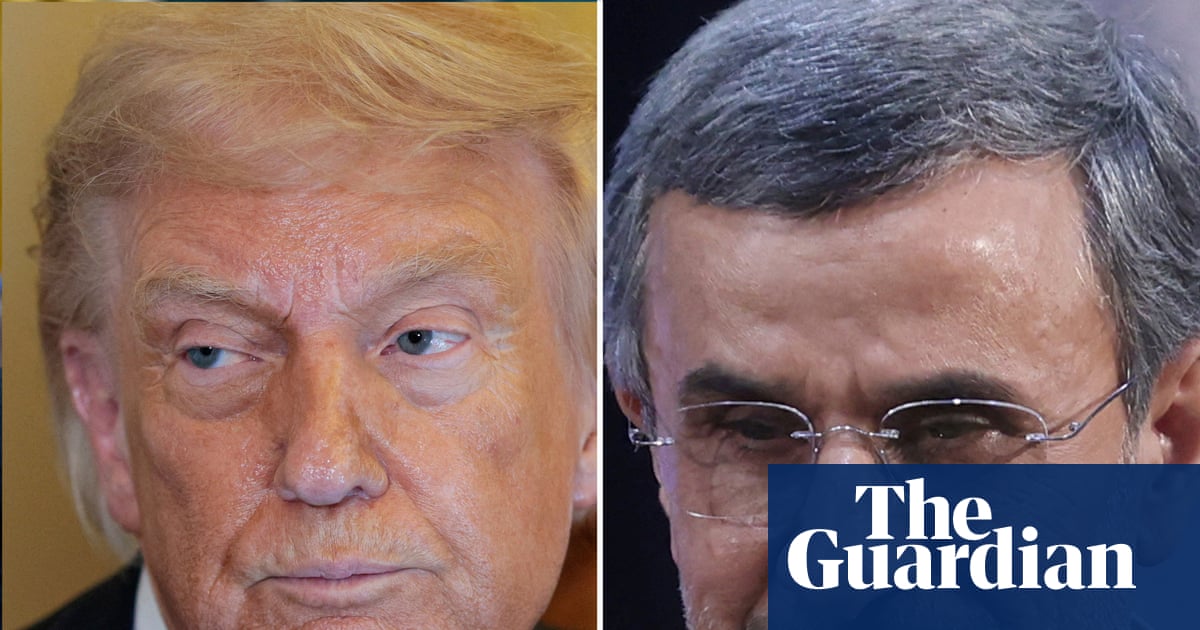
Washington – President Trump's escalating rhetoric and pressure tactics against Iran are raising alarms about a potential military conflict that could have devastating consequences for the Middle East and beyond. The president's insistence that Iran accept his unspecified terms regarding its nuclear program, coupled with an emboldened stance from Iran, signals a dangerous impasse that undermines diplomatic efforts and risks further destabilizing an already volatile region.
Trump's policy toward Iran is rooted in the 2018 withdrawal from the Joint Comprehensive Plan of Action (JCPOA), a landmark agreement that curbed Iran's nuclear ambitions in exchange for sanctions relief. Critics of Trump's decision argue that dismantling the JCPOA has not only failed to constrain Iran's nuclear program but has also emboldened hardliners within the Iranian regime and alienated key international allies.
The economic sanctions imposed by the Trump administration have had a particularly harsh impact on the Iranian people, exacerbating economic hardship and limiting access to essential goods and services. These sanctions disproportionately affect vulnerable populations, including women, children, and refugees, and undermine efforts to promote human rights and democratic reforms within Iran.
Furthermore, the Trump administration's close alignment with Saudi Arabia and Israel, both staunch opponents of Iran, has fueled sectarian tensions and contributed to regional instability. This approach has emboldened aggressive actions by these allies, potentially leading to further conflict and human rights abuses.
The current crisis highlights the urgent need for a renewed commitment to diplomacy and multilateralism. Rather than pursuing a strategy of confrontation, the U.S. should work with its international partners to revive the JCPOA and address legitimate concerns about Iran's nuclear program and regional activities through peaceful means.
Experts warn that a military conflict with Iran would have catastrophic consequences, leading to widespread destruction, mass displacement, and a humanitarian crisis of unprecedented scale. It would also divert resources away from pressing domestic priorities, such as healthcare, education, and infrastructure, and further entrench the U.S. in endless wars in the Middle East.
The "clock is ticking" rhetoric employed by the Trump administration is deeply irresponsible, creating an atmosphere of fear and uncertainty that could easily spiral out of control. Instead of issuing threats, the U.S. should prioritize dialogue, de-escalation, and a commitment to peaceful resolution of disputes.
The legacy of the Iraq War serves as a stark reminder of the dangers of unilateralism and military intervention in the Middle East. The Trump administration should learn from these past mistakes and pursue a more responsible and sustainable foreign policy that prioritizes diplomacy, human rights, and international cooperation.
Progressive voices are calling for a shift in U.S. foreign policy away from militarism and towards a more just and equitable approach that addresses the root causes of conflict and promotes sustainable development. This includes investing in diplomacy, promoting human rights, and addressing the climate crisis, which is a major driver of instability and displacement in the Middle East.
The current situation demands a bold vision for peace and justice in the Middle East, one that prioritizes the well-being of all people and promotes a more inclusive and sustainable future. The alternative is a path of endless conflict and suffering, with devastating consequences for the region and the world.
Ultimately, the path to peace and stability in the Middle East requires a fundamental shift in U.S. foreign policy, one that is grounded in diplomacy, human rights, and a commitment to international cooperation. Only through such a transformation can we hope to build a more just and sustainable world for all.
It is essential to remember that peace is not merely the absence of war, but the presence of justice. A lasting peace in the Middle East requires addressing the root causes of conflict, including poverty, inequality, and political oppression.