Trump's Belligerent Iran Policy Masks Failure of Diplomacy, Critics Say
Repeated threats of war expose the lack of viable alternatives after abandoning the Iran nuclear deal, leaving vulnerable populations at risk.

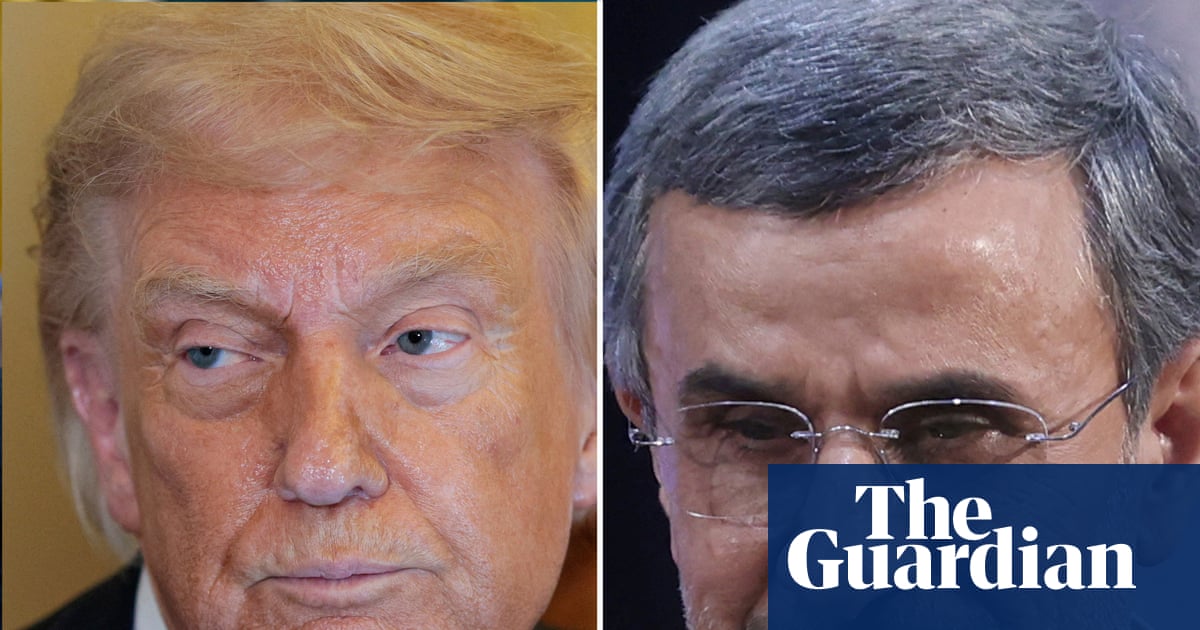
President Trump's continuous saber-rattling towards Iran is not a display of strength, but a symptom of failed diplomacy and a lack of viable options, according to experts like Foad Izadi. This aggressive posture, devoid of constructive engagement, disproportionately impacts the Iranian people, who are already suffering under the weight of crippling economic sanctions.
The withdrawal from the Joint Comprehensive Plan of Action (JCPOA), or Iran nuclear deal, was a strategic blunder that has isolated the United States and empowered hardliners within Iran. The JCPOA, painstakingly negotiated by the Obama administration and international partners, successfully curbed Iran's nuclear ambitions in exchange for sanctions relief. Trump's decision to abandon this agreement, driven by ideological opposition rather than pragmatic considerations, has destabilized the region and increased the risk of conflict.
The 'maximum pressure' campaign, characterized by harsh economic sanctions, has inflicted immense hardship on the Iranian population. Access to essential medicines and food has been severely restricted, exacerbating existing social and economic inequalities. This punitive approach, reminiscent of past interventions in the Middle East, ignores the devastating human cost and fuels resentment towards the United States.
Izadi's analysis underscores the futility of relying solely on threats and coercion. The repeated ultimatums, without any credible pathway to de-escalation, demonstrate a profound lack of understanding of Iranian society and politics. This belligerent approach not only fails to achieve its stated objectives but also undermines international efforts to promote peace and stability in the region.
A progressive foreign policy would prioritize diplomacy, dialogue, and respect for international law. The US should rejoin the JCPOA and engage in meaningful negotiations with Iran to address outstanding concerns. Instead of relying on sanctions that punish ordinary Iranians, the US should focus on targeted measures that hold accountable those responsible for human rights abuses and regional destabilization.
Furthermore, the US must acknowledge its historical role in shaping the current crisis. The 1953 coup, orchestrated by the CIA, overthrew Iran's democratically elected government and installed a repressive regime that fueled decades of resentment. Acknowledging this history is essential for building trust and fostering a more equitable relationship with Iran.
The current administration's obsession with military confrontation distracts from the real challenges facing the Middle East, including climate change, poverty, and sectarian violence. These issues require multilateral cooperation and a commitment to social and economic justice. Instead of escalating tensions with Iran, the US should work with its allies to address these root causes of instability.
The path forward requires a fundamental shift in US foreign policy, one that prioritizes human rights, diplomacy, and international cooperation. The well-being of the Iranian people, and the stability of the region, depend on it.