Trump's Belligerent Rhetoric on Iran Threatens Fragile Ceasefire Efforts
Former president's claims of Chinese assurance on arms sales juxtaposed with renewed threats of military intervention.

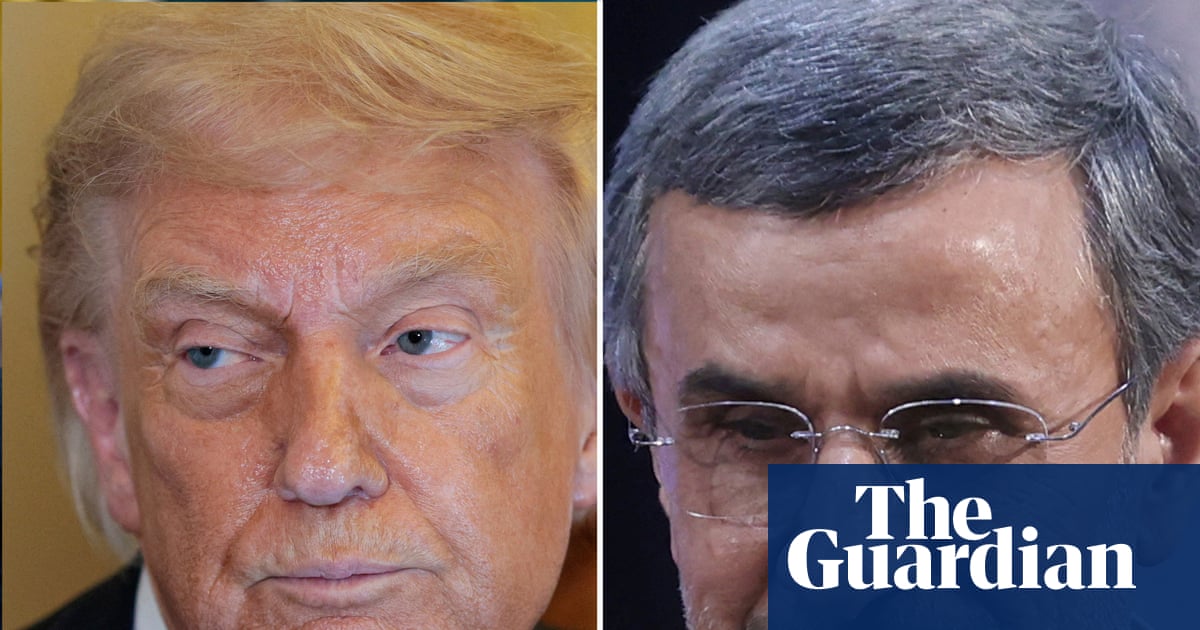
Donald Trump's recent pronouncements regarding Iran, claiming an assurance from China that it would not supply weapons, coupled with a threat to strike Iran if a ceasefire isn't reached swiftly, highlight the precariousness of international relations and the dangers of unilateral, aggressive foreign policy. These statements arrive amid a context of ongoing conflict in the Middle East, exacerbated by decades of U.S. military intervention and support for authoritarian regimes.
Trump's claim that Xi Jinping assured him China wouldn't arm Iran must be viewed cautiously, given Trump's history of unreliable statements and his administration's undermining of diplomatic efforts. China's increasing economic and political influence in the Middle East presents a challenge to U.S. hegemony, but responsible engagement and diplomatic solutions are essential to addressing regional conflicts.
The former president's threat to strike Iran if progress on a ceasefire isn't made in 'days' is deeply concerning. Such a move would further destabilize the region, trigger a humanitarian crisis, and likely result in countless civilian casualties. It also disregards the complex historical and political factors that have contributed to the current situation.
The roots of the conflict in the Middle East can be traced back to colonialism, Cold War-era interventions, and the U.S.'s unwavering support for Israel's occupation of Palestinian territories. These factors have fueled resentment and instability, creating fertile ground for extremism and violence.
Instead of saber-rattling and threats of military action, the U.S. should prioritize diplomacy, de-escalation, and addressing the underlying causes of conflict. This includes working with international partners to achieve a lasting ceasefire, providing humanitarian aid to those affected by the violence, and supporting efforts to promote democracy and human rights in the region.
Furthermore, it's crucial to recognize the human cost of these conflicts. The impact of war and violence on civilians, particularly women and children, is devastating. The U.S. must prioritize protecting civilians and ensuring that all parties to the conflict are held accountable for human rights abuses.
The emphasis should be on investing in peacebuilding initiatives, promoting economic development, and empowering local communities to resolve conflicts peacefully. The U.S. should also re-evaluate its relationship with authoritarian regimes in the region and prioritize supporting democratic movements.
Trump's unilateral threats and disregard for international norms are a reminder of the dangers of unchecked power and the need for responsible foreign policy. The path forward requires diplomacy, cooperation, and a commitment to addressing the root causes of conflict, rather than resorting to military intervention.
It is essential to recognize that sustainable peace cannot be achieved through military force alone. The U.S. must engage in meaningful dialogue with all stakeholders, including those with whom it disagrees, to find common ground and build a more just and equitable world.
Ultimately, the goal should be to create a Middle East where all people can live in peace and security, free from the threat of violence and oppression. This requires a fundamental shift in U.S. foreign policy, away from military intervention and towards diplomacy, development, and human rights.
Trump's comments serve as a stark warning of the potential consequences of reckless foreign policy decisions. A more progressive approach is needed, one that prioritizes peace, justice, and human dignity for all.