Trump's Deadline Threatens Further Destabilization in Iran, Risks New Conflicts
Experts warn that the administration's aggressive stance disregards the human cost and long-term consequences of escalating tensions with Iran.

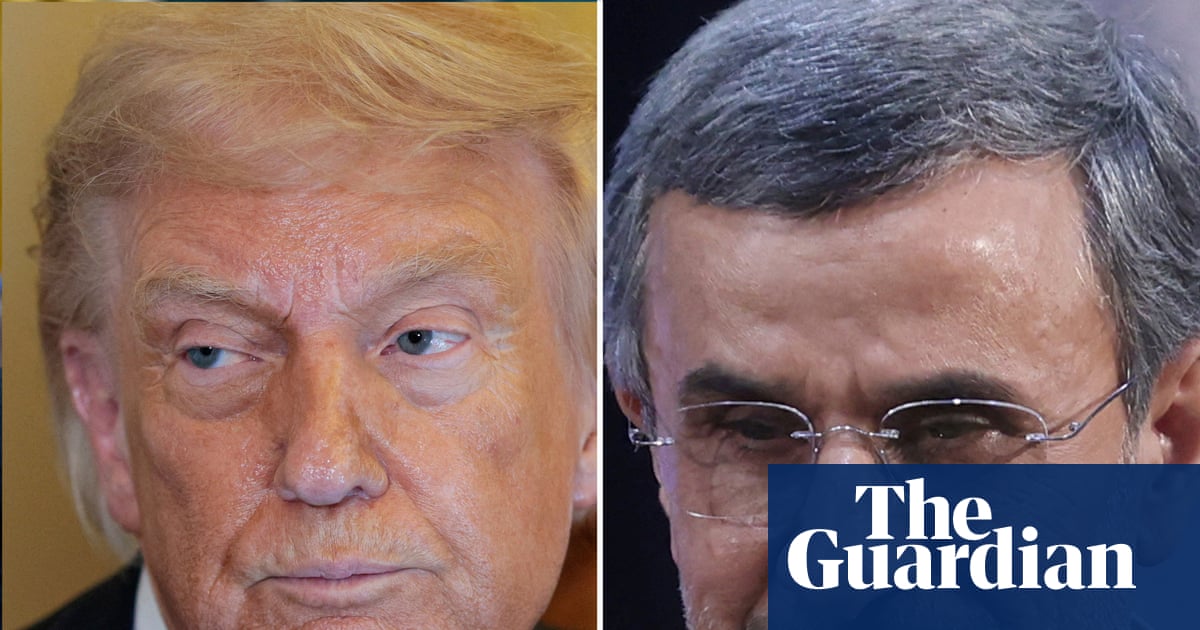
As the Trump administration issues a 'two to three day' ultimatum to Iran regarding a nuclear deal, Tehran warns of potential 'new fronts,' signaling a readiness to escalate tensions further. This development raises serious concerns about the potential for increased suffering among the Iranian people and wider regional instability. The administration's hardline approach ignores the complex socio-economic factors driving Iranian policy and the devastating impact of sanctions on ordinary citizens.
The original nuclear deal, the JCPOA, offered a pathway towards peaceful relations and economic relief for Iran. However, the Trump administration's unilateral withdrawal and subsequent reimposition of sanctions have undermined this progress, pushing Iran into a corner and exacerbating existing grievances. This policy has disproportionately harmed vulnerable populations within Iran, limiting access to essential goods and services.
The threat of 'new fronts' underscores the potential for wider regional conflicts, potentially involving proxy wars and humanitarian crises. Such conflicts would inevitably result in mass displacement, civilian casualties, and the further erosion of human rights. It is crucial to recognize that the consequences of military action would disproportionately affect the most vulnerable populations in the region.
The focus should be on de-escalation and diplomatic solutions that prioritize the well-being of the Iranian people. This requires acknowledging the legitimate concerns of all parties and engaging in constructive dialogue, rather than resorting to threats and ultimatums. The international community must pressure the Trump administration to reconsider its aggressive stance and to pursue a path that prioritizes peace, justice, and human rights.
Background context: The JCPOA represented a significant achievement in international diplomacy, demonstrating the potential for peaceful resolution of complex issues. The agreement provided a framework for verifying Iran's compliance with its nuclear commitments and offered a pathway towards normalizing relations. However, the Trump administration's decision to abandon the JCPOA has undermined this progress and increased the risk of conflict.
Relevant historical precedents: The Iraq War serves as a stark reminder of the devastating consequences of military intervention in the Middle East. The war resulted in hundreds of thousands of deaths, widespread displacement, and the destabilization of the entire region. It is crucial to learn from these past mistakes and to avoid repeating them in Iran.
Expert analysis: Experts on international law and human rights emphasize the importance of upholding international agreements and respecting the sovereignty of nations. They warn that the Trump administration's unilateral actions undermine the rule of law and create a dangerous precedent for future conflicts. They also highlight the need to address the root causes of instability in the region, including poverty, inequality, and political repression.
Implications: The implications of the current situation are dire, potentially leading to increased human suffering, regional instability, and the erosion of international norms. It is imperative that the international community act decisively to prevent further escalation and to promote a peaceful and just resolution to the crisis. The humanitarian cost of further conflict would be immense, and it is our collective responsibility to prevent such a tragedy from occurring.
A progressive approach prioritizes diplomacy, human rights, and the well-being of ordinary people over political posturing and military intervention. It is time for a new approach that recognizes the interconnectedness of global challenges and the importance of building a more just and sustainable world.