Trump's Delayed Attack on Iran Offers a Chance for Diplomacy, but Root Causes Remain
Pakistan's mediation provides a crucial window, but lasting peace requires addressing economic inequality and the legacy of interventionism.

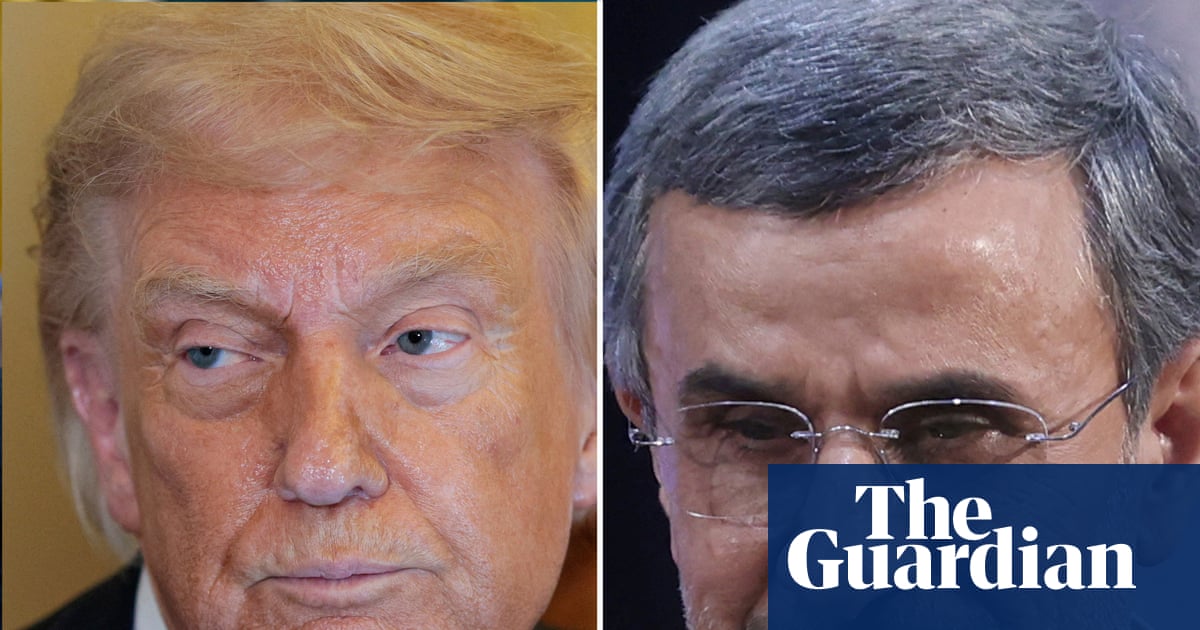
President Trump's last-minute postponement of a “very major attack” against Iran offers a temporary reprieve from potential bloodshed, but the underlying issues driving the conflict demand deeper scrutiny. While Pakistan's mediation efforts are welcome, genuine de-escalation necessitates addressing the economic devastation caused by sanctions and the historical context of U.S. interventionism in the region.
The Trump administration's withdrawal from the Iran nuclear deal and subsequent imposition of crippling sanctions have had a devastating impact on the Iranian people. Access to essential medicines and basic necessities has been severely curtailed, disproportionately affecting the most vulnerable populations. This economic warfare fuels resentment and instability, making peaceful resolution even more challenging.
Furthermore, the history of U.S. involvement in the Middle East is fraught with examples of interventionism that have destabilized the region and contributed to cycles of violence. From the overthrow of democratically elected governments to the support of autocratic regimes, U.S. foreign policy has often prioritized short-term strategic interests over the long-term well-being of the people in the region.
Pakistan's mediation efforts offer a glimmer of hope, but lasting peace requires a fundamental shift in U.S. policy. This includes a return to the Iran nuclear deal, a lifting of sanctions, and a commitment to diplomacy based on mutual respect and understanding. It also means acknowledging the legitimate grievances of the Iranian people and addressing the root causes of instability in the region.
The postponement of the attack also provides an opportunity for Congress to assert its constitutional authority over matters of war and peace. Members of Congress should demand greater transparency and accountability from the executive branch and work to prevent future escalations that could have catastrophic consequences.
Moreover, the potential environmental impact of a military conflict in the Middle East cannot be ignored. Bombing campaigns and other military activities can cause widespread pollution and damage to vital ecosystems, further exacerbating the existing environmental challenges in the region.
The international community must also play a more active role in promoting peace and stability. This includes supporting diplomatic initiatives, providing humanitarian assistance to those affected by the conflict, and holding all parties accountable for their actions.
The situation in the Middle East is a complex web of political, economic, and social factors. There are long-standing grievances that are deeply rooted in the past. Resolving them requires a long-term commitment to dialogue, reconciliation, and justice.
The focus needs to shift from military solutions to addressing the underlying issues that drive conflict. Economic inequality, political repression, and environmental degradation are all contributing factors that must be addressed in order to achieve lasting peace.
The long-term implications of the current crisis extend far beyond the immediate region. The choices made in the coming days will shape the future of the Middle East and have a profound impact on global security and stability.
Ultimately, the only path to lasting peace is through diplomacy, dialogue, and a commitment to social and economic justice. We must remember that war is not the answer, and that we have a moral obligation to work towards a more just and equitable world.