Trump's Greenland Push Raises Concerns Over Resource Exploitation and Indigenous Rights
Renewed U.S. interest in Greenland sparks fears of prioritizing national security over environmental protection and local autonomy.
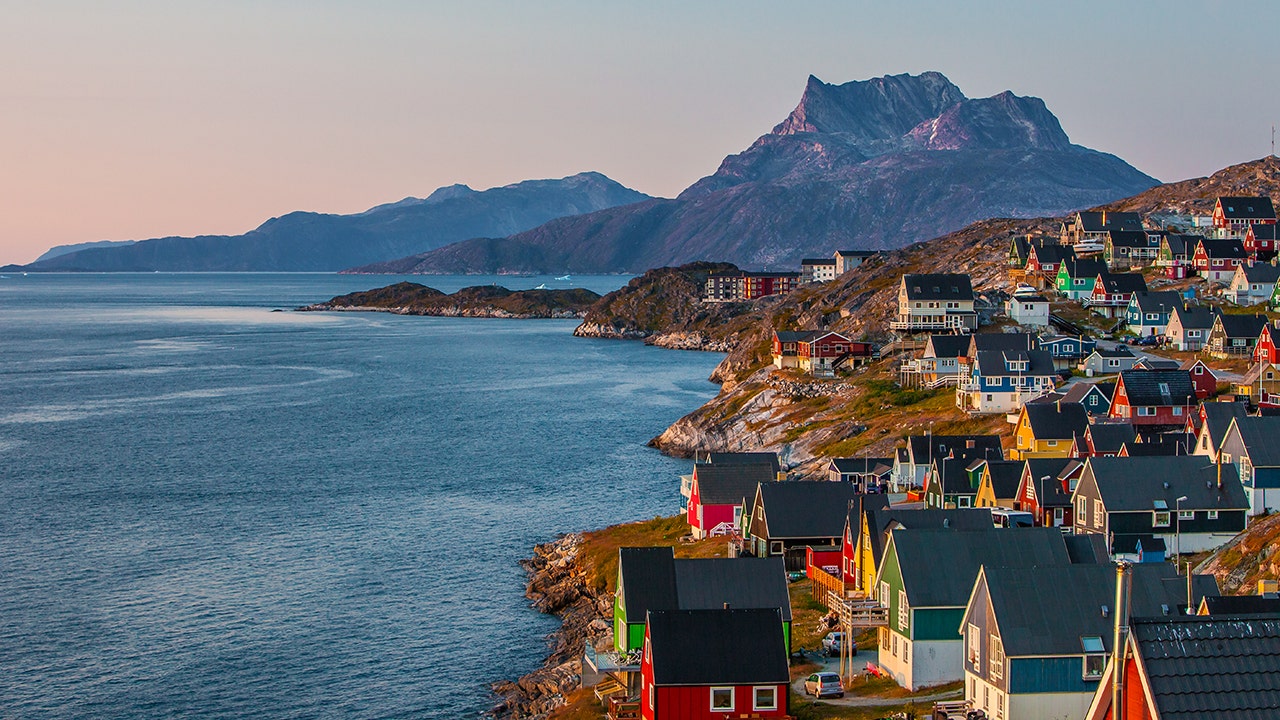
WASHINGTON — The Trump administration's intensified outreach to Greenland, framed as a strategic move to counter China's Arctic ambitions, raises serious questions about the potential impact on Greenland's environment and the rights of its Indigenous population. This development follows President Trump's summit with Chinese President Xi Jinping.
While the White House emphasizes strengthening U.S.-Greenlandic ties and addressing national security interests, critics argue that the administration's focus on mineral reserves and military significance could lead to the exploitation of Greenland's natural resources without adequate consideration for environmental protection and sustainable development.
"Special Envoy Landry is in Greenland to attend the Future Greenland Conference as part of an effort to further strengthen U.S.–Greenlandic ties and engage with local leaders," White House spokesperson Olivia Wales stated. However, the focus on a "high-level working group" and addressing "U.S. national security interests" suggests a prioritization of U.S. strategic goals over the needs and desires of the Greenlandic people.
The potential for increased mining activity, driven by U.S. or Chinese interests, poses a significant threat to Greenland's fragile Arctic ecosystem. Concerns include pollution from mining operations, habitat destruction, and the disruption of traditional hunting and fishing practices of the Inuit population.
Furthermore, President Trump's past interest in purchasing Greenland and reported desire for veto power over Greenland's mineral deals with China raise concerns about Greenland's sovereignty and its ability to make independent decisions about its own future. This echoes historical patterns of colonialism and resource extraction in Indigenous territories.
"The United States is optimistic that we are on a good trajectory to address U.S. national security interests in Greenland," added Wales. This statement, while seemingly innocuous, can be interpreted as a warning sign that Greenland’s resources and geopolitical position are being viewed through the lens of U.S. strategic interests, potentially marginalizing the voices of the Greenlandic people.
The Trump administration's framing of the Arctic as a strategic front in its competition with China further exacerbates these concerns. This geopolitical maneuvering risks turning Greenland into a pawn in a larger power struggle, with potentially devastating consequences for its environment and its people.
China's own Arctic ambitions, outlined in its 2018 policy white paper, are also cause for concern. The "Polar Silk Road" initiative, while presented as a means of promoting economic development and scientific research, could also lead to increased resource extraction and environmental degradation in the Arctic region.
Ultimately, a sustainable and equitable approach to the Arctic requires prioritizing the rights and needs of Indigenous communities, protecting the environment, and ensuring that any development is carried out in a responsible and transparent manner. The Trump administration's current approach appears to fall short of these goals.
Increased transparency and public consultation are crucial to ensuring that any agreements between the U.S., Greenland, and Denmark respect Greenland's sovereignty and promote sustainable development. The voices of the Greenlandic people, particularly the Inuit population, must be at the center of any decisions regarding the future of their land and resources.
It is essential to carefully monitor the environmental and social impacts of any increased activity in Greenland, holding both the U.S. and China accountable for their actions and ensuring that they adhere to the highest standards of environmental protection and human rights.
This situation demands careful scrutiny from environmental organizations, human rights groups, and international bodies to ensure that the pursuit of national security interests does not come at the expense of environmental sustainability and the rights of Indigenous communities.
Sources: * Arctic Council Indigenous Peoples' Secretariat * United Nations Declaration on the Rights of Indigenous Peoples * Government of Greenland, Department of Environment and Nature * International Work Group for Indigenous Affairs (IWGIA)