Trump's Iran Escalation Threatens Constitutional Order and International Stability
President's unilateral approach to Iran raises concerns about unchecked executive power and the erosion of congressional oversight.

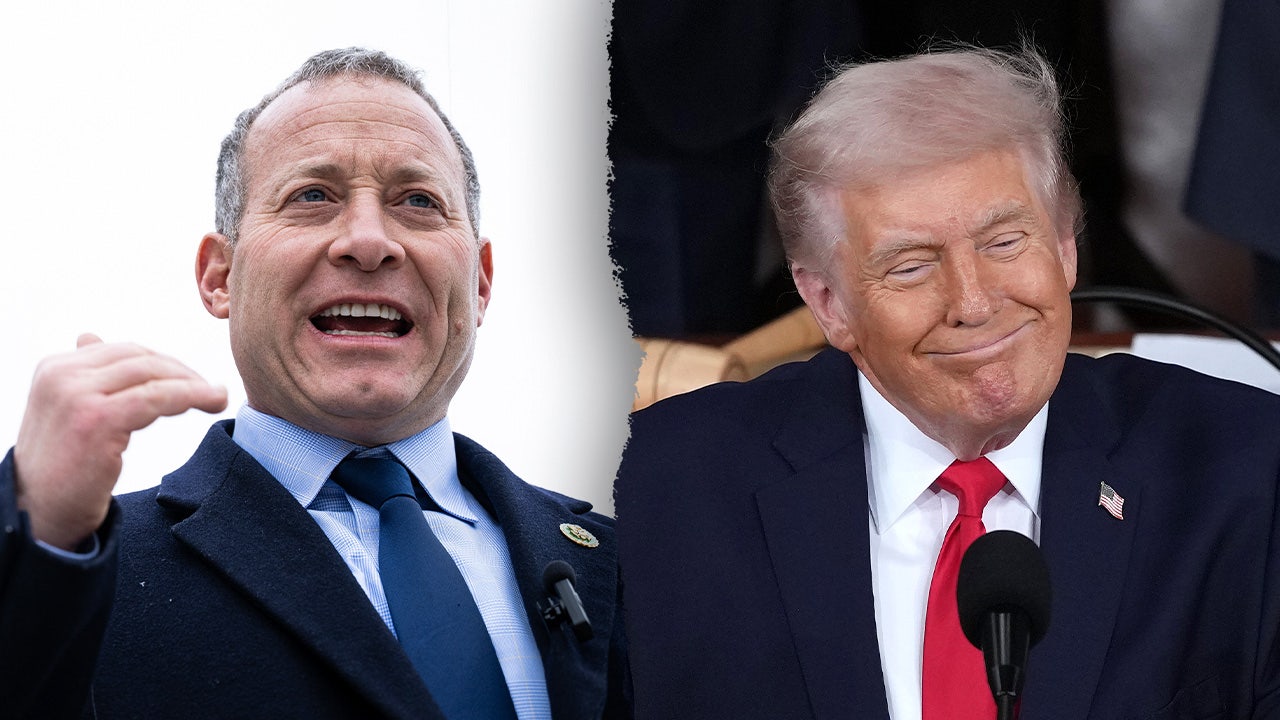
President Trump's recent actions concerning Iran are not only a dangerous escalation of tensions in the Middle East but also a troubling assault on the constitutional balance of power. Critics argue that the President's actions, undertaken without explicit congressional authorization, represent a dangerous expansion of executive authority and a disregard for democratic accountability.
The Constitution clearly vests the power to declare war in Congress, reflecting the framers' deep-seated fear of unchecked executive power. Article I, Section 8, explicitly grants Congress this authority, recognizing that decisions about war and peace should be subject to broad public debate and democratic consent. The President's actions circumvent this constitutional requirement, effectively allowing him to commit the nation to military conflict without the consent of the people's representatives.
The War Powers Resolution of 1973, enacted in the wake of the Vietnam War, was intended to limit the President's ability to wage war without congressional approval. However, successive presidents have chipped away at the resolution's effectiveness, arguing for broad interpretations of executive authority. Trump's actions represent a particularly egregious example of this trend, potentially rendering the War Powers Resolution toothless.
This situation echoes historical precedents where presidents have overstepped their constitutional authority in matters of war and peace. The interventions in Korea, Vietnam, and Libya all involved military action without formal declarations of war, raising similar concerns about the erosion of congressional oversight. Trump's actions risk normalizing this pattern of executive overreach, setting a dangerous precedent for future administrations.
Within Congress, the response to the President's actions has been largely divided along party lines, with Democrats leading the charge in defense of congressional authority. However, the fact that at least two Republicans have also voiced concerns suggests a growing recognition that the President's actions pose a threat to the constitutional order. This bipartisan unease offers a glimmer of hope for a renewed commitment to congressional oversight.
The broader implications of this dispute extend beyond the legal realm. Unchecked executive power poses a significant threat to democratic governance, undermining the principles of transparency, accountability, and public participation. When the President can unilaterally commit the nation to war, the voice of the people is effectively silenced, and the risk of ill-considered and disastrous military adventures increases exponentially.
Furthermore, the President's unilateral approach to Iran undermines international stability and multilateral diplomacy. By acting without the support of allies and in defiance of international norms, the President isolates the United States and increases the risk of unintended consequences. A more responsible and sustainable approach would involve engaging in diplomacy, building international consensus, and seeking congressional authorization for any military action.
The debate over war powers also raises fundamental questions about the role of the United States in the world. Do we want to be a nation that respects international law, upholds democratic values, and works collaboratively with allies, or do we want to be a nation that acts unilaterally, disregards international norms, and prioritizes narrow national interests above all else? The answer to this question will shape the future of American foreign policy for decades to come.
The current situation demands a robust defense of constitutional principles and a renewed commitment to congressional oversight. Congress must assert its authority to declare war and hold the President accountable for his actions. The American people deserve a voice in decisions that could lead to war, and the Constitution demands that their representatives in Congress have the final say. The future of our democracy may depend on it.
Beyond the immediate crisis, it is essential to address the underlying causes of executive overreach. This requires a comprehensive review of the War Powers Resolution and other laws that govern the use of military force. It also requires a renewed commitment to civic education and a robust public debate about the role of the President and Congress in matters of war and peace.
The voices of peace and justice must be amplified. Grassroots movements, civil society organizations, and concerned citizens must mobilize to demand an end to endless wars and a return to constitutional governance. The struggle for peace and justice is inseparable from the struggle for democracy and the rule of law.
Ultimately, the resolution of this crisis requires a fundamental shift in our approach to foreign policy. We must move away from militarism and towards diplomacy, from unilateralism to multilateralism, and from a narrow focus on national interests to a broader commitment to global peace and justice.