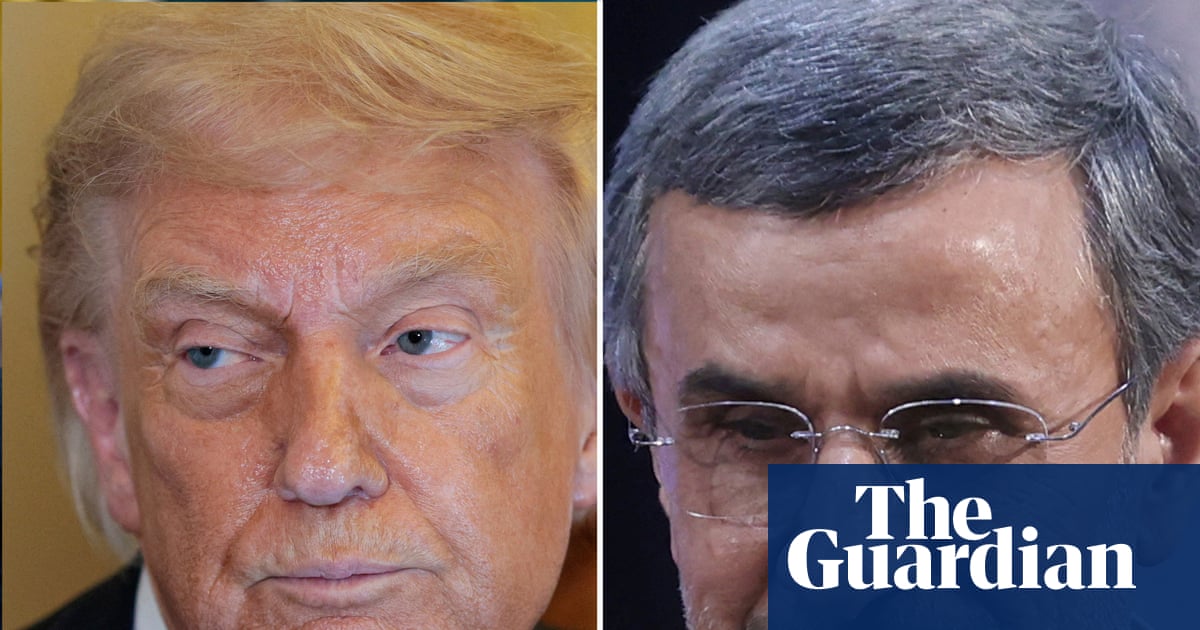
Trump's Iran Meeting Threatens Diplomacy Amid Nuclear Deal Stalemate
As Trump convenes a high-level meeting on Iran, progressive voices fear a potential escalation of conflict and the abandonment of diplomatic solutions that could ease regional tensions.
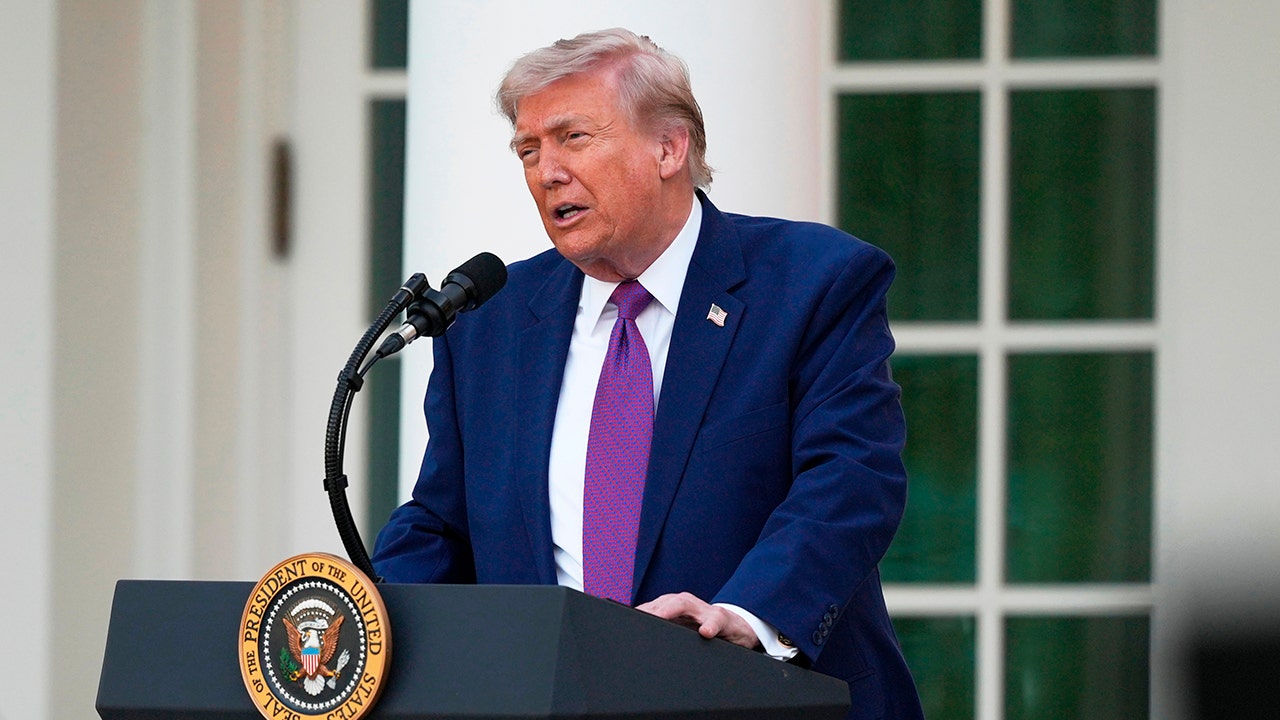
Washington D.C. – President Donald Trump's decision to convene a top-level Situation Room meeting regarding Iran raises concerns among progressive analysts who fear a potential shift towards military confrontation and a further abandonment of diplomatic solutions.
The meeting, scheduled amidst stalled negotiations over a renewed nuclear agreement, underscores the administration's hawkish stance towards Iran. This approach, critics argue, exacerbates regional instability and undermines efforts to de-escalate tensions.
The absence of a nuclear deal not only fuels concerns about Iran's nuclear program, but also risks intensifying a humanitarian crisis already affecting millions of Iranians due to economic sanctions. Progressive organizations advocate for sanctions relief and renewed diplomatic engagement as a means of addressing both the nuclear issue and the needs of the Iranian people.
Critics point to the Trump administration's withdrawal from the Joint Comprehensive Plan of Action (JCPOA) in 2018 as a major setback to international efforts to curb Iran's nuclear ambitions. The withdrawal, they argue, isolated the U.S. from its allies and empowered hardliners within Iran.
The Situation Room meeting is expected to involve discussions on potential military options, further fueling fears of a potential military intervention. Progressive voices warn that such action would have devastating consequences for the region and could lead to a protracted and costly conflict.
While the administration claims its goal is to prevent Iran from acquiring nuclear weapons, critics argue that its policies are counterproductive and undermine the prospects for a peaceful resolution. They advocate for a return to the JCPOA and a broader diplomatic engagement with Iran that addresses its legitimate security concerns.
The focus on military options also diverts attention from the pressing humanitarian needs of the Iranian people. Economic sanctions have had a devastating impact on Iran's economy, leading to shortages of essential medicines and food. Progressive organizations are calling for targeted sanctions relief to alleviate the suffering of ordinary Iranians.
Furthermore, critics argue that the Trump administration's close alignment with Israeli Prime Minister Benjamin Netanyahu further complicates the situation. Netanyahu has long been a vocal opponent of the JCPOA and a proponent of military action against Iran.
Progressive lawmakers are urging the administration to prioritize diplomacy and pursue a more constructive approach to Iran. They argue that a nuclear agreement is the best way to prevent Iran from developing nuclear weapons and to promote regional stability.
The international community, including the European Union and the United Nations, has repeatedly called for a return to the JCPOA and a peaceful resolution to the Iran nuclear issue. However, the Trump administration has shown little willingness to heed these calls.
The administration's hardline approach to Iran is also seen as part of a broader effort to dismantle international agreements and undermine multilateral institutions. This approach, critics argue, weakens global cooperation and makes it more difficult to address pressing global challenges.
Ultimately, progressive voices are calling for a fundamental shift in U.S. policy towards Iran, one that prioritizes diplomacy, human rights, and regional stability over military confrontation and economic coercion.
Sources: * U.S. Department of the Treasury * International Crisis Group * Human Rights Watch