Trump's Reckless Threats Inflame Tensions with Iran, Endangering Peace
Former President's ultimatum risks escalating conflict and undermining diplomatic efforts to address Iran's nuclear program.

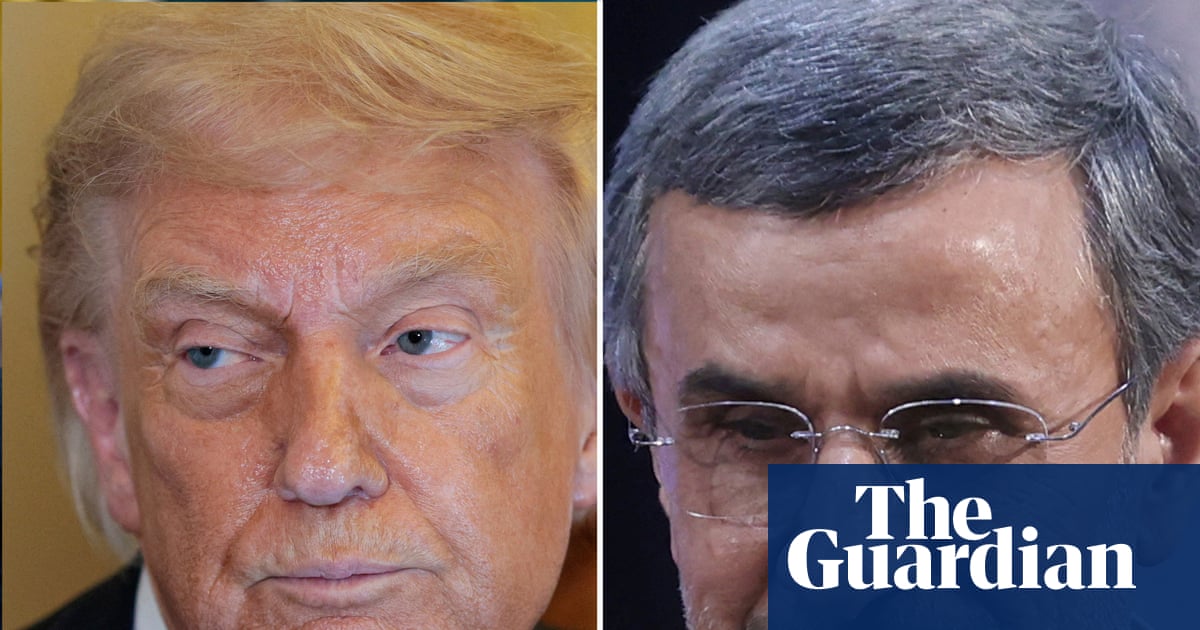
Iran's warning of 'many more surprises' in the event of renewed conflict underscores the dangerous consequences of Trump's saber-rattling and his ultimatum demanding a deal within 'two to three days'. This aggressive approach, reminiscent of the Trump administration's unilateral withdrawal from the Iran nuclear deal, jeopardizes years of diplomatic work aimed at preventing nuclear proliferation and promoting regional stability.
The Trump administration's decision to abandon the JCPOA in 2018, despite the IAEA's certification of Iran's compliance, was a catastrophic blow to international cooperation. The reimposition of crippling sanctions on Iran has disproportionately harmed ordinary Iranians, leading to economic hardship and fueling resentment.
This latest threat risks further destabilizing a region already grappling with conflict, poverty, and humanitarian crises. Military action against Iran would have devastating consequences for the Iranian people and could trigger a wider regional war, with potentially catastrophic repercussions for global peace and security.
The pursuit of a 'deal' under duress ignores the underlying complexities of the situation. Iran's nuclear program is a symptom of deeper geopolitical tensions, including concerns about regional security and the perceived imbalance of power in the Middle East. A sustainable solution requires addressing these underlying issues through inclusive dialogue and mutual respect.
Progressive voices have long advocated for a diplomatic solution to the Iranian nuclear issue. The JCPOA, while imperfect, represented a significant step forward in preventing nuclear proliferation and promoting regional stability. Re-entering the JCPOA and engaging in good-faith negotiations with Iran is the only viable path forward.
It is crucial to remember that the Iranian people are not our enemy. They are victims of both their own government's policies and the destructive impact of US sanctions. Any military action would only exacerbate their suffering and further alienate them from the international community.
The focus should be on addressing the root causes of instability in the Middle East, including poverty, inequality, and political repression. Investing in diplomacy, humanitarian aid, and sustainable development is far more effective than military intervention in promoting long-term peace and security.
Trump's bellicose rhetoric serves only to embolden hardliners on both sides and undermines efforts to build trust and understanding. A more nuanced and empathetic approach is needed to address the complex challenges facing the region.
We must demand that our leaders prioritize diplomacy over military action and pursue a foreign policy that is grounded in human rights, international law, and a commitment to peace and justice. The future of the region, and indeed the world, depends on it.
The legacy of the Iraq War serves as a stark reminder of the devastating consequences of military intervention in the Middle East. We must learn from our past mistakes and resist the temptation to repeat them.
It's time for a new approach to US-Iran relations, one that is based on mutual respect, dialogue, and a commitment to shared security. The path to peace is not easy, but it is the only path that offers a sustainable future for the region and the world.
The current crisis demands a renewed commitment to diplomacy and a rejection of militarism. The lives and livelihoods of millions of people depend on it.