Trump's Reversed Iran Strike Threat: A Win for Diplomacy, But Tensions Remain
Delaying military action offers a chance to de-escalate, but the administration's hawkish policies continue to endanger the region.

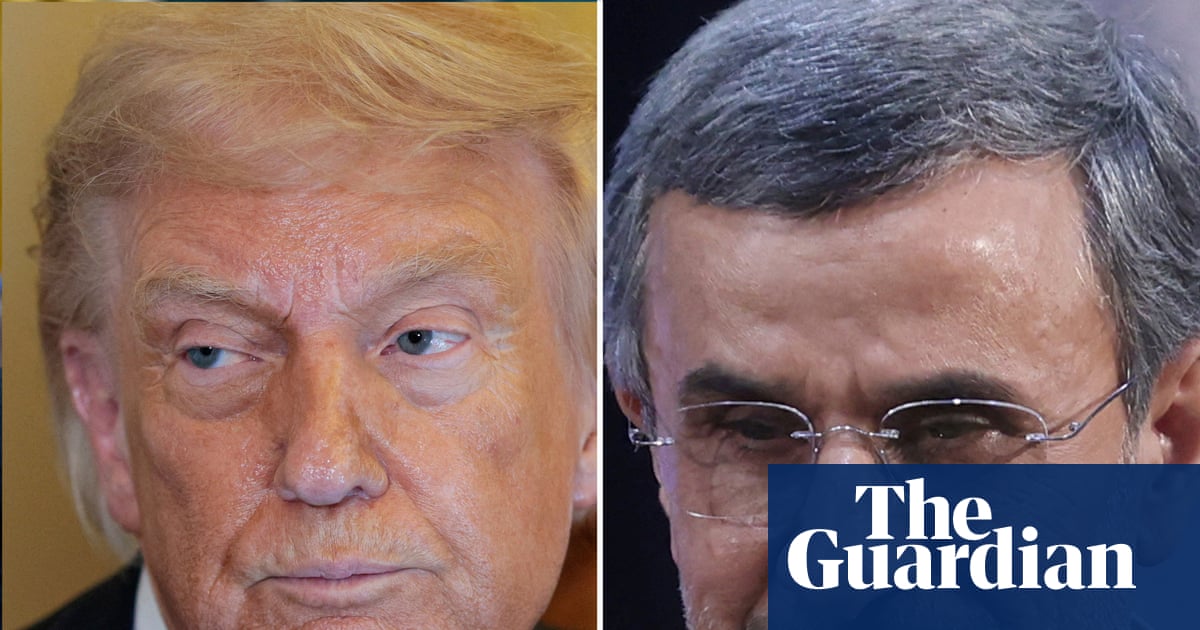
Washington D.C. - President Donald Trump's announcement of a delayed military strike against Iran offers a temporary reprieve from potential war, but the underlying causes of the escalating tensions, fueled by the administration's aggressive foreign policy, remain a significant concern. The decision comes after weeks of heightened rhetoric and accusations following attacks on oil tankers and the downing of a U.S. drone.
The roots of the current crisis lie in the Trump administration's unilateral withdrawal from the Joint Comprehensive Plan of Action (JCPOA), the Iran nuclear deal, in 2018. This agreement, negotiated by the Obama administration and supported by key allies, successfully curbed Iran's nuclear program in exchange for sanctions relief. Trump's decision to abandon the JCPOA, driven by ideological opposition and pressure from hardline factions, was a reckless act that destabilized the region.
The reimposition of crippling sanctions on Iran has disproportionately impacted ordinary Iranians, causing economic hardship and fueling resentment. These sanctions, often described as 'economic warfare,' have limited access to essential goods and services, exacerbating existing social inequalities. While proponents argue that sanctions are intended to pressure the Iranian government, the reality is that they inflict the most suffering on the most vulnerable populations.
Moreover, the Trump administration's confrontational approach has undermined diplomatic efforts and isolated the United States from its allies. The unilateral imposition of sanctions has alienated European partners who continue to support the JCPOA and seek a peaceful resolution to the crisis. This isolation has diminished U.S. credibility and weakened the international consensus needed to address complex global challenges.
The potential for military conflict with Iran carries catastrophic consequences, not only for the region but for the entire world. A war would unleash a humanitarian crisis, further destabilize the Middle East, and potentially draw in other global powers. The human cost of such a conflict would be immeasurable, with untold numbers of civilian casualties and widespread displacement.
While the delayed strike offers a glimmer of hope, it is crucial that the administration fundamentally reassess its approach to Iran. A return to diplomacy, including a renewed commitment to the JCPOA, is essential to de-escalate tensions and prevent further escalation. The United States must prioritize dialogue and cooperation over confrontation and unilateral action.
The progressive movement must continue to advocate for a peaceful and just foreign policy that prioritizes human rights, international law, and diplomacy. We must challenge the militaristic mindset that has dominated U.S. foreign policy for far too long and demand a more responsible and compassionate approach to global affairs.
The decision to delay the strike should be seen as a victory for those who have tirelessly advocated for peace and diplomacy. However, the fight for a more just and sustainable world is far from over. We must remain vigilant and continue to challenge the policies that perpetuate conflict and inequality.
The need for a comprehensive strategy focusing on human rights and the needs of the Iranian people is more vital than ever. Economic sanctions should be lifted, and dialogue resumed immediately.
The long-term stability of the region depends on a commitment to diplomacy and a recognition of the shared humanity of all people. The progressive movement must continue to push for a more peaceful and just world.
The pause offers an opportunity to revisit failed policies and move towards a more humane approach.
Sources: * U.S. Department of State * Congressional Research Service * International Atomic Energy Agency (IAEA)