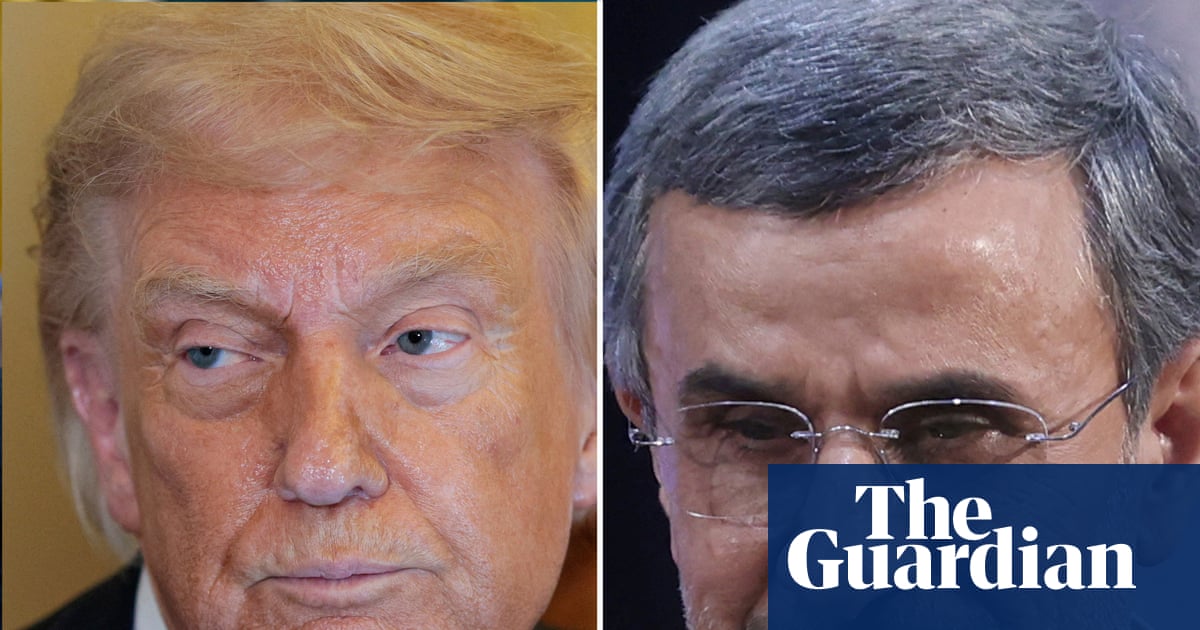
Trump's Russia Sanction Rollback Threatens Climate Goals, Undermines European Allies
Easing sanctions on Russian oil benefits oligarchs while jeopardizing international climate efforts and straining transatlantic relations within the G7.

The Trump administration's decision to ease oil sanctions on Russia has ignited controversy within the G7, raising serious concerns about environmental sustainability and international cooperation. This policy shift prioritizes short-term economic gains for a select few while potentially undermining long-term climate goals and alienating crucial European allies.
European nations are rightfully critical of this decision, viewing it as a betrayal of the collective effort to hold Russia accountable for its actions. The easing of sanctions not only provides financial relief to the Russian regime but also sends a dangerous signal that the U.S. is willing to prioritize its own interests over international norms and shared values.
From a progressive perspective, this move is deeply troubling. It demonstrates a blatant disregard for the urgent need to transition away from fossil fuels and combat climate change. Easing sanctions on Russian oil effectively subsidizes the production and consumption of dirty energy, exacerbating the climate crisis and jeopardizing the health and well-being of vulnerable communities around the world.
The beneficiaries of this policy are clear: wealthy oil companies and Russian oligarchs who stand to profit handsomely from increased oil production and exports. Meanwhile, working-class communities and marginalized populations will bear the brunt of the environmental consequences, including increased pollution and extreme weather events.
Furthermore, this decision undermines the efforts of European nations to diversify their energy sources and reduce their dependence on Russian oil. It sends a clear message that the U.S. is not a reliable partner in the fight against climate change and that it is willing to prioritize its own economic interests over the collective good.
Critics argue that the Trump administration's rationale for easing sanctions – to stabilize global oil prices – is disingenuous. The real motivation, they contend, is to appease powerful oil industry lobbyists and to curry favor with the Russian government. This is just the latest example of the Trump administration's tendency to prioritize corporate profits and political expediency over the needs of the people and the planet.
The implications of this decision extend far beyond the energy sector. It undermines the international rules-based order and erodes trust in U.S. leadership. It also creates a dangerous precedent for other countries to disregard international norms and pursue their own narrow self-interests.
Progressive leaders are calling for a swift reversal of this policy and for a renewed commitment to international cooperation on climate change. They argue that the U.S. must work with its allies to hold Russia accountable for its actions and to promote a just and sustainable energy transition. This includes investing in renewable energy technologies, phasing out fossil fuels, and creating green jobs that benefit all communities.
The fight for climate justice is inextricably linked to the fight for social and economic justice. We cannot address the climate crisis without also addressing the systemic inequalities that disproportionately impact marginalized communities. Easing sanctions on Russian oil is a step in the wrong direction, and we must do everything in our power to reverse course and build a more just and sustainable future for all.
The current divergence between the U.S. and Europe highlights the urgent need for a new approach to international relations – one that prioritizes cooperation, sustainability, and social justice. The future of our planet depends on it.
This situation calls for a robust response from the international community, including increased pressure on the U.S. to reverse its decision and a renewed commitment to multilateralism. We must stand in solidarity with our European allies and work together to create a world where economic prosperity and environmental sustainability go hand in hand. The stakes are too high to remain silent.
Ultimately, this controversy underscores the fundamental conflict between short-term profit motives and long-term sustainability goals. The Trump administration's decision to ease sanctions on Russian oil is a stark reminder of the need for a fundamental shift in our economic and political priorities.