Trump's Threat to Iran Echoes Destabilizing Policies, Risks Escalation
Former President Trump's renewed bellicose rhetoric towards Iran raises concerns about the potential for increased conflict and further destabilization of the region.
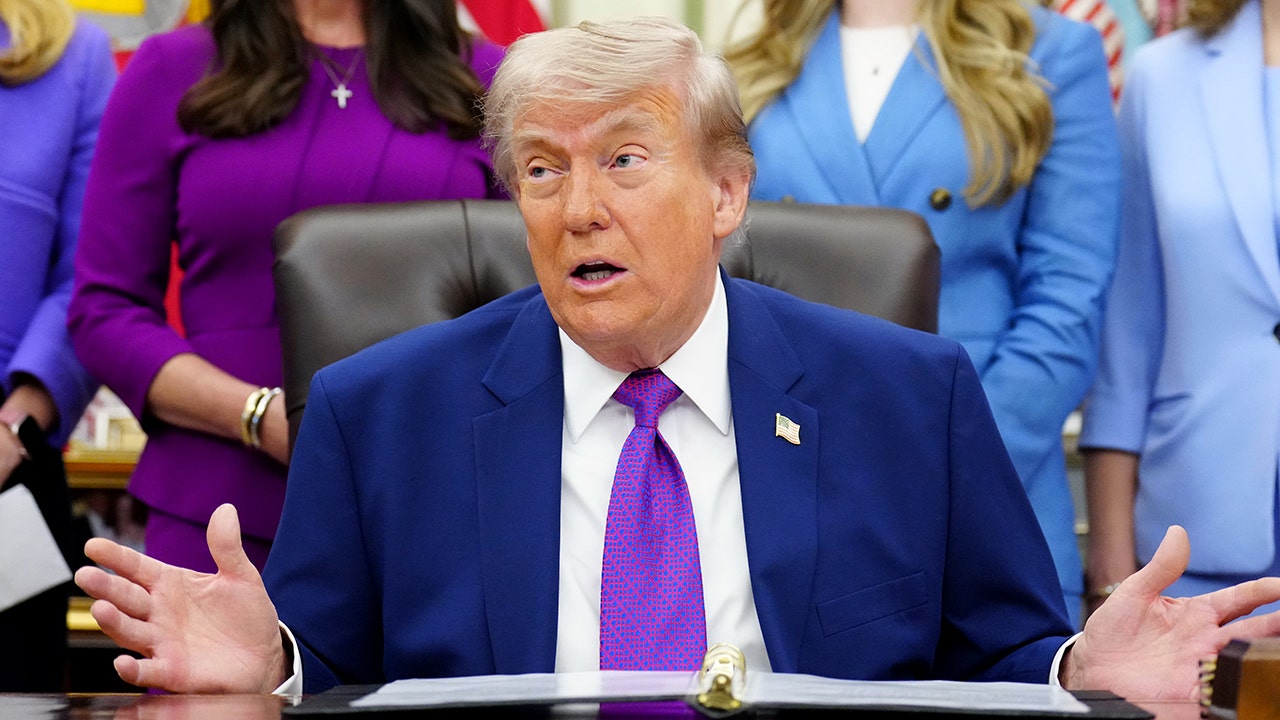
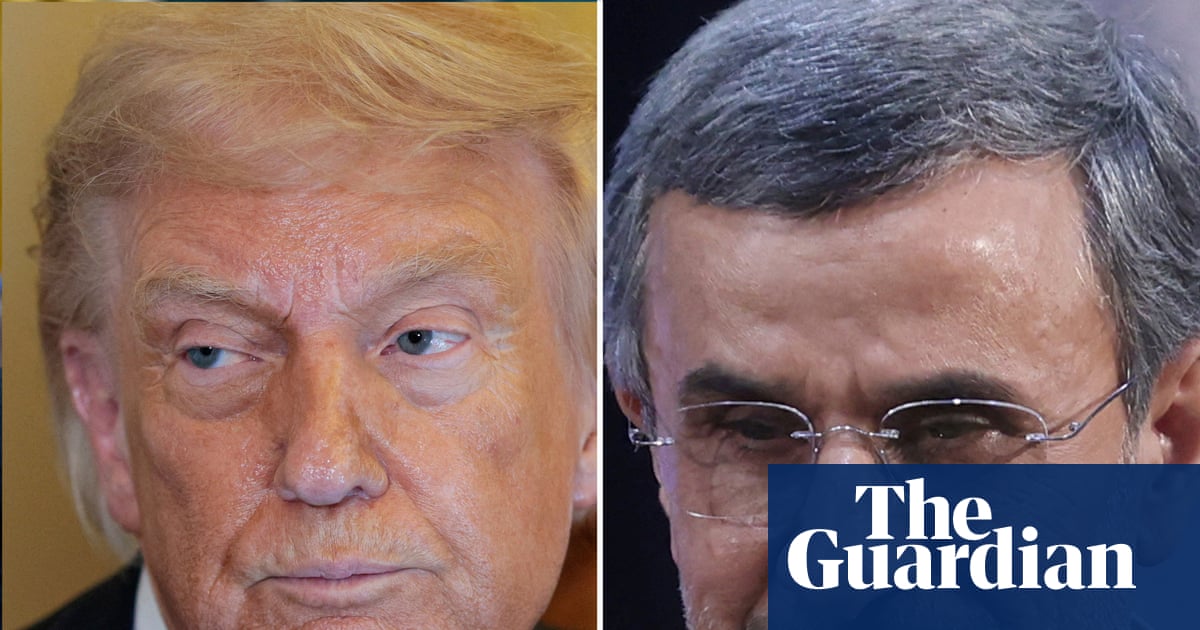
Former President Donald Trump has once again escalated tensions with Iran through a recent Truth Social post, warning that Iran's "clock is ticking" and that it risks complete destruction if it doesn't comply with unspecified demands. This rhetoric echoes the destabilizing policies of his administration and raises serious concerns about the potential for further conflict and humanitarian consequences.
Trump's history with Iran is marked by a pattern of aggressive actions, including the unilateral withdrawal from the Joint Comprehensive Plan of Action (JCPOA), also known as the Iran nuclear deal, in 2018. This decision, made despite international consensus that Iran was complying with the agreement, unleashed a wave of economic sanctions that have disproportionately impacted the Iranian people, leading to shortages of essential goods and medicines.
The JCPOA, negotiated under the Obama administration, was a landmark achievement in international diplomacy. It demonstrated the power of multilateralism in addressing complex global challenges. By abandoning the agreement, Trump undermined international cooperation and paved the way for Iran to resume its nuclear program, increasing the risk of nuclear proliferation in the region.
The economic sanctions imposed by the Trump administration have had devastating consequences for the Iranian people. They have crippled the Iranian economy, led to widespread unemployment, and created a humanitarian crisis. The sanctions have also made it more difficult for Iran to import essential medical supplies, exacerbating the suffering of vulnerable populations.
Furthermore, Trump's aggressive rhetoric and military posturing in the region have heightened tensions and increased the risk of accidental conflict. His administration's assassination of Iranian General Qassem Soleimani in 2020 brought the two countries to the brink of war. Such actions demonstrate a disregard for international law and diplomatic norms.
The international community must prioritize de-escalation and diplomacy in dealing with Iran. A return to the JCPOA, with necessary improvements and safeguards, is essential to prevent Iran from developing nuclear weapons. It is also crucial to address the humanitarian crisis in Iran by lifting sanctions and providing humanitarian assistance.
Trump's recent statement disregards the complex history of US-Iran relations and the devastating impact of his policies on the Iranian people. It is imperative that the international community pursue a path of diplomacy, cooperation, and respect for international law in addressing the challenges posed by Iran's nuclear program.