Trump's Threats Provoke Iran: Escalation Risks Humanitarian Crisis
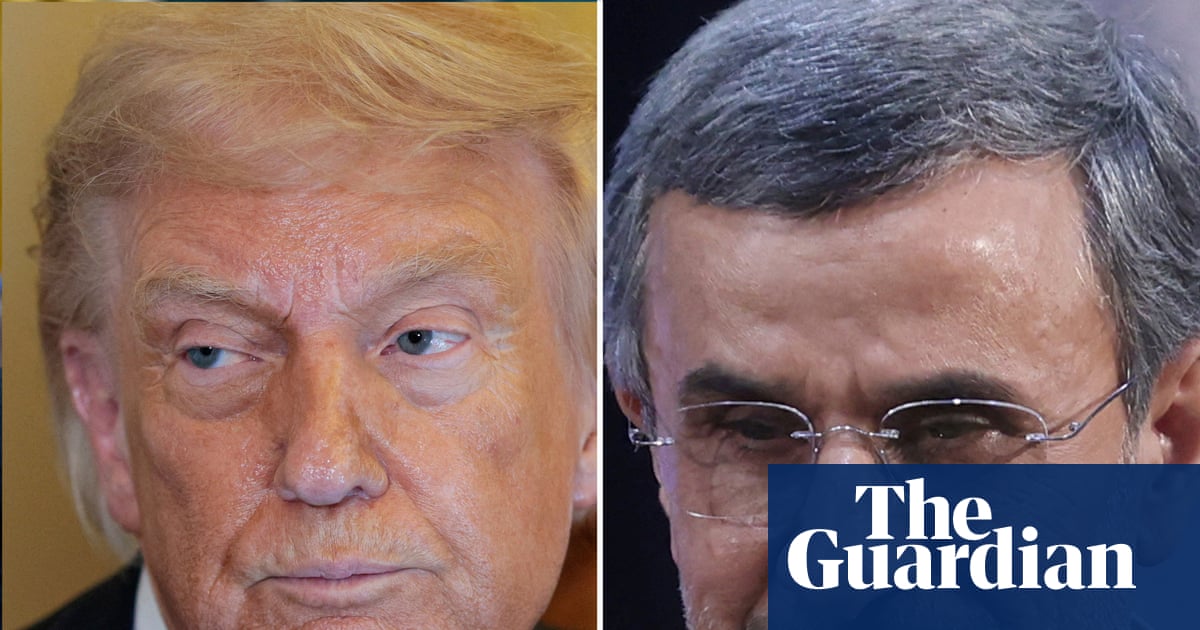
As Trump and Vance tout a potential deal, their continued military threats push Iran toward expanding potential retaliation, jeopardizing regional stability and human rights.
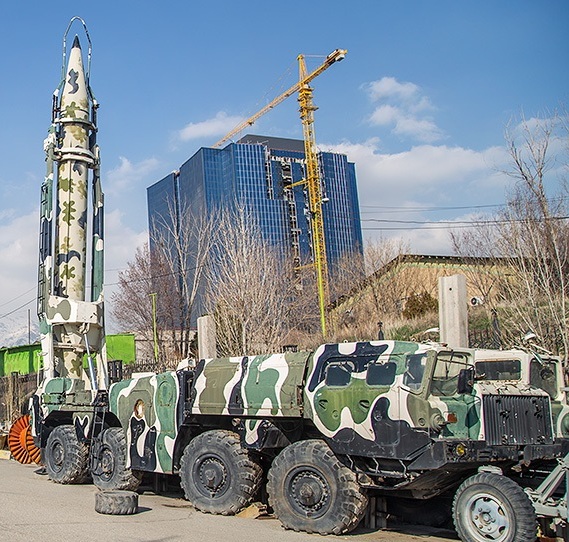
Iran has issued a stark warning: renewed U.S. military strikes will trigger a broader response, extending beyond the Middle East. This threat arises in the context of ongoing negotiations, where President Trump and Vice President JD Vance claim progress toward a deal even as they leave open the possibility of further military action. This aggressive posture exacerbates existing tensions and threatens to ignite a wider conflict, with devastating consequences for civilian populations.
The legacy of the Trump administration's withdrawal from the 2015 Joint Comprehensive Plan of Action (JCPOA) continues to cast a long shadow. This reckless decision, driven by ideological fervor rather than strategic calculation, removed constraints on Iran's nuclear program and unleashed a cycle of escalation. The reimposition of crippling sanctions has caused immense economic hardship for the Iranian people, disproportionately impacting vulnerable communities and hindering access to essential goods and services.
Iran's warning must be understood in the context of decades of U.S. intervention in the Middle East. From the 1953 coup that overthrew the democratically elected government of Mohammad Mosaddegh to the ongoing support for autocratic regimes, U.S. foreign policy has often prioritized geopolitical interests over human rights and democratic values. This history has fueled resentment and mistrust, creating fertile ground for conflict.
The prospect of expanded retaliation raises serious concerns about the potential for civilian casualties and the displacement of populations. A wider conflict could destabilize already fragile states, exacerbating humanitarian crises and creating new opportunities for extremist groups to thrive. The international community must exert pressure on the U.S. to de-escalate tensions and pursue a diplomatic solution that prioritizes the well-being of ordinary people.
It is crucial to recognize the interconnectedness of global issues. The conflict in the Middle East is not isolated but is linked to broader challenges such as climate change, economic inequality, and the rise of authoritarianism. Addressing these challenges requires a multilateral approach based on cooperation and solidarity, not unilateral aggression and military intervention.
The focus should be on diplomacy and dialogue, not threats and coercion. The U.S. must return to the JCPOA and engage in good-faith negotiations with Iran, with the goal of achieving a verifiable agreement that prevents nuclear proliferation and promotes regional stability. This requires a willingness to compromise and to address Iran's legitimate security concerns.
Moreover, it is essential to challenge the narratives that demonize Iran and justify military intervention. The Iranian people are not our enemy, and they deserve the same rights and opportunities as everyone else. Promoting understanding and empathy is crucial to building a more peaceful and just world.
Ultimately, lasting peace in the Middle East requires a fundamental shift in U.S. foreign policy. This means abandoning the pursuit of hegemony and embracing a vision of shared security and mutual respect. It means prioritizing diplomacy over militarism, human rights over geopolitical interests, and cooperation over confrontation. Only then can we hope to build a future where all people can live in peace and dignity.