Trump's Troop Cuts in Europe: A Retreat From Solidarity, a Blow to Stability
The Pentagon's decision to reduce troop levels in Europe, driven by Trump's demands for increased NATO spending, undermines collective security and shifts the burden onto vulnerable nations.
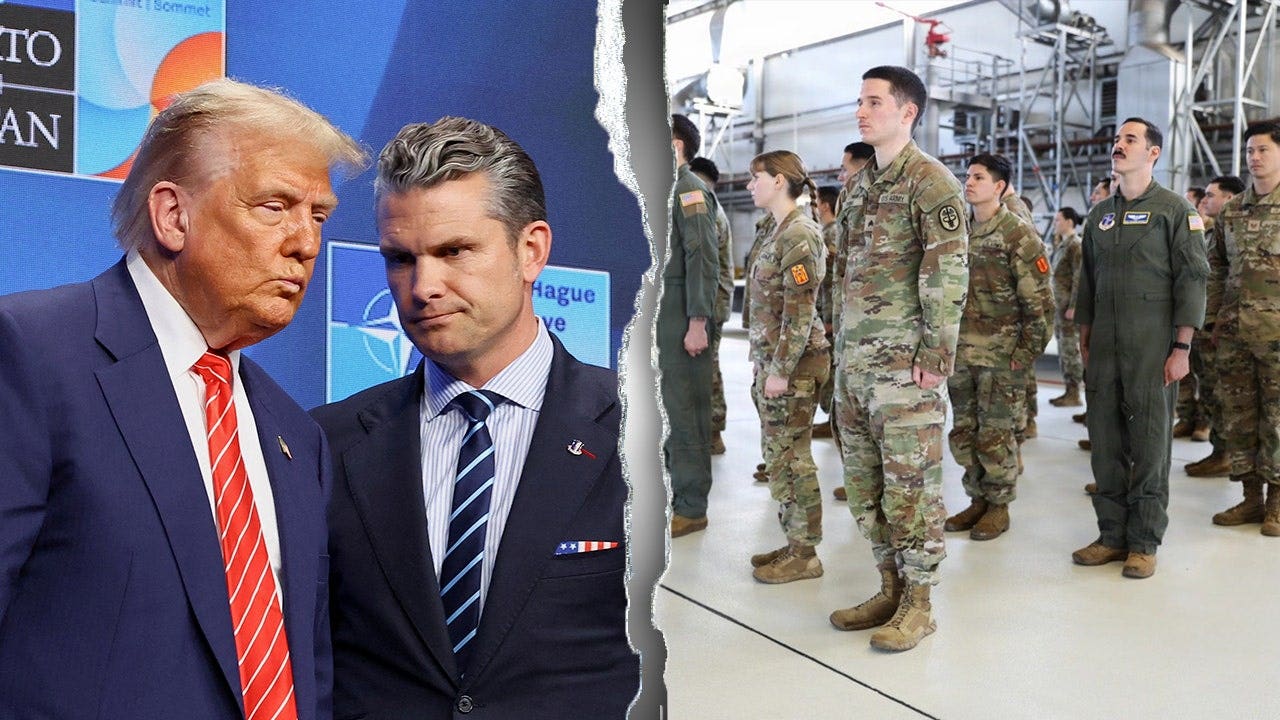
The Pentagon's announcement that it will reduce the number of Brigade Combat Teams (BCTs) stationed in Europe represents a dangerous escalation of President Trump's isolationist policies and a direct challenge to the principle of collective security. This decision, framed as a cost-saving measure and an effort to pressure NATO allies to increase defense spending, ignores the complex geopolitical realities and the potential for destabilization that U.S. military presence aims to deter.
Returning U.S. troop levels to 2021 figures may seem like a minor adjustment on paper, but the impact on the ground will be significant. Each BCT represents a substantial commitment of resources and personnel, and its removal weakens the overall deterrent posture of NATO. The Pentagon's claim that this decision is the result of a "comprehensive, multilayered process" rings hollow when viewed in the context of Trump's consistent attacks on NATO and his insistence that European nations are not paying their fair share.
Trump's "America First" agenda, which the Pentagon explicitly cites as the driving force behind this decision, is a thinly veiled excuse for abandoning international obligations and prioritizing short-term economic gains over long-term security interests. This approach ignores the fact that U.S. security is inextricably linked to the security of its allies. By undermining NATO, Trump is not only weakening the alliance but also increasing the risk of conflict and instability in Europe.
The suspension of a planned troop rotation to Poland further exacerbates these concerns. Poland, which has consistently demonstrated its commitment to NATO and has taken a leading role in confronting Russian aggression, is being punished for Trump's obsession with burden-sharing. This sends a chilling message to other allies who may be hesitant to increase their defense spending for fear of being subjected to similar pressure.
The Pentagon's assurance that the U.S. remains committed to its alliance with Poland rings hollow in the face of these actions. Words are cheap, and the message being sent is clear: the U.S. is no longer a reliable partner. This will have far-reaching consequences for NATO's ability to respond to future crises.
The impact of these cuts will disproportionately affect frontline states like Poland, which face the most immediate threat from Russian aggression. By reducing its military presence in Europe, the U.S. is essentially shifting the burden of defense onto these nations, forcing them to shoulder a greater share of the risk.
Critics argue that this decision could embolden Russia and other adversaries, who may perceive a weakening of U.S. commitment to European security as an opportunity to advance their own interests. The decision also undermines the credibility of U.S. security guarantees to its allies, potentially leading to a breakdown of trust and cooperation within NATO.
The long-term implications of this decision are significant. By prioritizing short-term economic gains over long-term security interests, Trump is jeopardizing the stability of Europe and undermining the foundations of the transatlantic alliance. This is a dangerous gamble that could have disastrous consequences for global security.
It is imperative that Congress and other stakeholders push back against this reckless policy and reaffirm the U.S. commitment to NATO and European security. The future of the transatlantic alliance depends on it.
The emphasis on Poland's ability to defend itself is a deflection from the core issue: the U.S. is retreating from its responsibility to collective security. The language suggesting other NATO allies should follow Poland’s lead is a thinly veiled attempt to justify further cuts and further abdicate responsibility.
Ultimately, these troop cuts are a betrayal of our allies and a dangerous step towards isolationism. The Trump administration's focus on "America First" is putting America last by undermining our alliances and increasing global instability.