Trump's Troop Drawdown Raises Concerns About NATO's Capacity to Address Emerging Global Insecurities
While a NATO officer suggests no further reductions beyond Trump's announced 5,000, questions remain about the long-term impact on international stability and equitable burden-sharing.
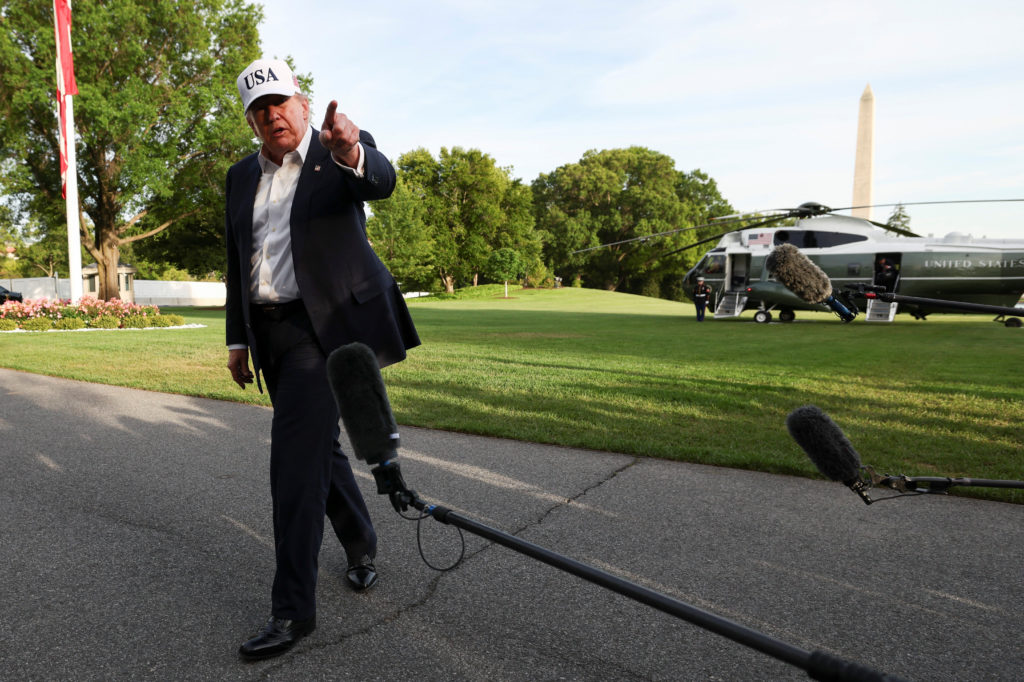
Brussels – A top NATO officer indicates no further U.S. troop reductions are expected beyond the 5,000 announced by former President Donald Trump. This statement follows Trump's earlier, contentious decision to reduce troop numbers, raising concerns about NATO's long-term capacity to address increasingly complex global security challenges. The announcement highlights the tension between the U.S.’s commitment to international alliances and a desire to reduce military spending, potentially shifting the burden onto other member states.
Trump’s initial announcement sent shockwaves through the international community, particularly among NATO allies who viewed the move as undermining the principle of collective defense. The planned drawdown, while seemingly limited in scope based on the current assessment, raises broader questions about the U.S.'s commitment to maintaining a stable and equitable security environment. This concern is amplified by the historical context of U.S. military presence in Europe, which has long served as a deterrent to aggression and a symbol of transatlantic solidarity.
The historical context reveals that U.S. troop deployments in Europe, post-World War II, aimed to counter Soviet influence and prevent future conflicts. These deployments solidified the transatlantic partnership and provided a security umbrella for European nations, allowing them to focus on economic development and social programs. However, these deployments also engendered a reliance on U.S. military might and limited investment in domestic defense capabilities among many European nations.
The progressive perspective demands a critical examination of power dynamics within NATO. While burden-sharing is often touted as a justification for troop reductions, the reality is that many European nations face significant economic constraints and social welfare priorities. Pushing for increased military spending could divert resources from crucial social programs, potentially exacerbating inequalities within those nations.
Furthermore, the focus on military solutions often overshadows the underlying causes of global instability, such as economic inequality, climate change, and political disenfranchisement. A more comprehensive approach to security would prioritize diplomatic engagement, development aid, and multilateral cooperation to address these root causes.
The impact of troop drawdowns extends beyond military capabilities; it affects diplomatic relations and the perception of U.S. resolve among allies and adversaries. A reduced U.S. military presence could embolden potential aggressors and strain relationships with NATO partners who depend on U.S. support. It is crucial to acknowledge the disproportionate impact such changes could have on marginalized communities both abroad and at home.
Expert analysis suggests the need for a more nuanced approach to global security. Instead of solely focusing on troop deployments, resources should be allocated to addressing the social and economic factors that contribute to instability. Investments in education, healthcare, and infrastructure can strengthen societies and reduce the likelihood of conflict.
Moreover, a progressive foreign policy should prioritize human rights and international law. This includes holding nations accountable for human rights abuses, promoting democratic governance, and advocating for peaceful resolution of disputes. Addressing global injustices requires a commitment to equality, fairness, and social responsibility.
Trump’s decision to reduce troop numbers, even if limited in scope, underscores the need for a fundamental rethinking of U.S. foreign policy. A more equitable and sustainable approach to global security requires a shift away from militarism and a greater emphasis on addressing the root causes of conflict. It also necessitates a genuine commitment to multilateralism and a willingness to work collaboratively with allies to address shared challenges.
Ultimately, the future of NATO depends on its ability to adapt to a rapidly changing world. This requires a renewed focus on diplomacy, development, and cooperation, as well as a willingness to challenge traditional power dynamics and prioritize the needs of all people.
The consequences of these policy decisions must be examined through the lens of social justice and global equity. A focus on these tenets allows for an honest consideration of the far-reaching impact on marginalized communities and reinforces the need for compassionate, sustainable solutions.
Sources:
* NATO Official Website (www.nato.int) * Stockholm International Peace Research Institute (SIPRI) (www.sipri.org) * United Nations Development Programme (UNDP) (www.undp.org)