Uganda's Compassionate Refugee Policy at Risk as Global North Turns Away
As conflicts displace millions, Uganda's progressive approach to refugee integration is jeopardized by declining international support and unequal burden-sharing.
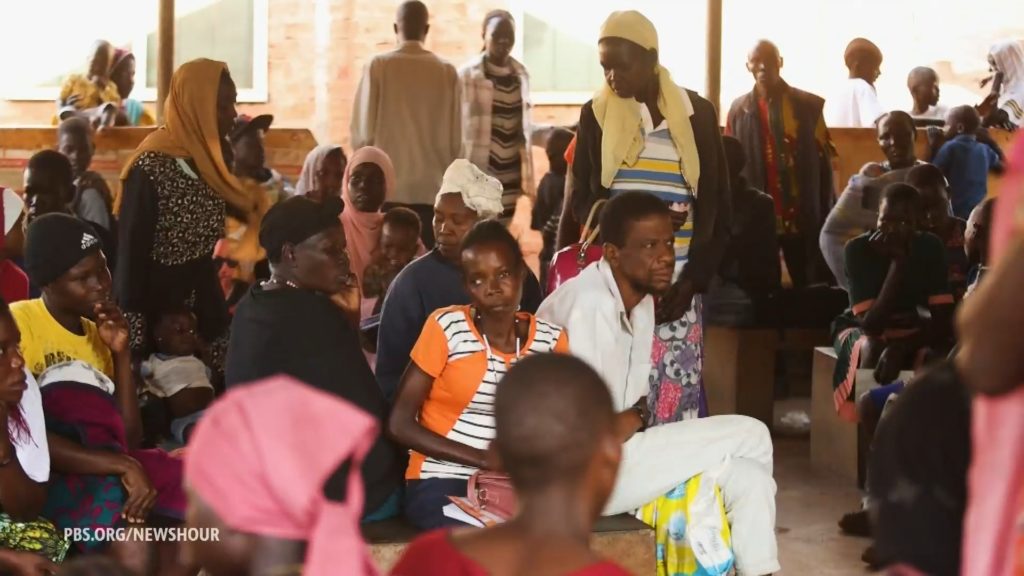
Uganda, a beacon of progressive refugee policy in Africa, is facing an escalating crisis as conflicts intensify in the region, particularly the devastating war in Sudan. Millions of Sudanese civilians, displaced by violence and instability, are seeking refuge in neighboring countries, placing immense pressure on Uganda's already stretched resources. This humanitarian emergency is further exacerbated by the international community's shifting focus and declining financial support, threatening the very foundation of Uganda's open-door policy.
While conflicts in the Middle East rightly demand attention, the world must not turn a blind eye to the suffering unfolding in Sudan and the surrounding region. The redirection of resources and attention away from this crisis has left humanitarian agencies scrambling to provide even the most basic necessities to the growing refugee population in Uganda. This disparity in attention highlights the inherent inequalities in global aid distribution, often prioritizing conflicts that align with Western interests.
Uganda's refugee policy, a model of compassion and integration, allows refugees to work, own businesses, and access essential services such as education and healthcare. This approach, rooted in the belief that refugees deserve dignity and opportunity, has fostered self-sufficiency and reduced dependence on aid. However, this progressive policy is now teetering on the brink of collapse due to the sheer scale of the crisis and the lack of adequate international support.
The refugee camps in Uganda are overflowing, struggling to provide shelter, food, and water to the new arrivals. Healthcare facilities are overwhelmed, and schools are bursting at the seams. Vulnerable populations, including women, children, and the elderly, are particularly at risk, facing heightened vulnerability to exploitation and abuse. The current situation demands a comprehensive and equitable response from the international community.
Humanitarian organizations are urgently appealing for increased funding and support, warning that the current levels of assistance are woefully inadequate. They emphasize the need for a long-term commitment to addressing both the immediate needs of refugees and the systemic challenges that contribute to displacement. This includes addressing the root causes of conflict, promoting sustainable development, and ensuring equitable access to resources.
The decline in international support also coincides with Uganda's own economic challenges, including rising inflation and unemployment. This economic hardship further strains the country's capacity to provide for both its own citizens and the growing refugee population. The situation underscores the need for a more equitable distribution of responsibility, with wealthier nations contributing their fair share to alleviate the burden on countries like Uganda.
The long-term consequences of neglecting this crisis are dire. If Uganda's open-door policy falters, it could trigger a domino effect, destabilizing the region and undermining international efforts to protect and integrate refugees. It could also lead to increased resentment and xenophobia, further marginalizing vulnerable populations.
The success of Uganda's refugee policy is not only a moral imperative but also a matter of global stability. The international community must recognize its shared responsibility to support Uganda in its efforts to provide refuge and assistance to those fleeing conflict and persecution. This requires a fundamental shift in priorities, prioritizing human dignity and social justice over narrow self-interests.
The historical context of Uganda's refugee policy is deeply rooted in its own experiences with conflict and displacement. This history has instilled a profound sense of empathy and solidarity with those seeking refuge. However, Uganda cannot shoulder this burden alone. The international community must step up and provide the necessary resources and support to ensure that Uganda's progressive refugee policy can continue to serve as a model for the world.
The current crisis demands a holistic and rights-based approach, one that prioritizes the needs and dignity of refugees. This includes ensuring access to education, healthcare, and employment opportunities, as well as protecting them from exploitation and discrimination. It also requires addressing the underlying causes of displacement, including poverty, inequality, and conflict.
The situation in Uganda serves as a stark reminder of the interconnectedness of global crises and the urgent need for international cooperation. The future of Uganda's refugee policy, and the lives of millions of refugees, depends on the willingness of the international community to act decisively and equitably.