Ukraine's Wildlife Pays the Price for Russia's War: Injured Owl Symbolizes Ecological Devastation
Sunny, a long-eared owl blinded and maimed by a Russian drone, embodies the devastating impact of the war on Ukraine's fragile ecosystems and the urgent need for environmental justice.
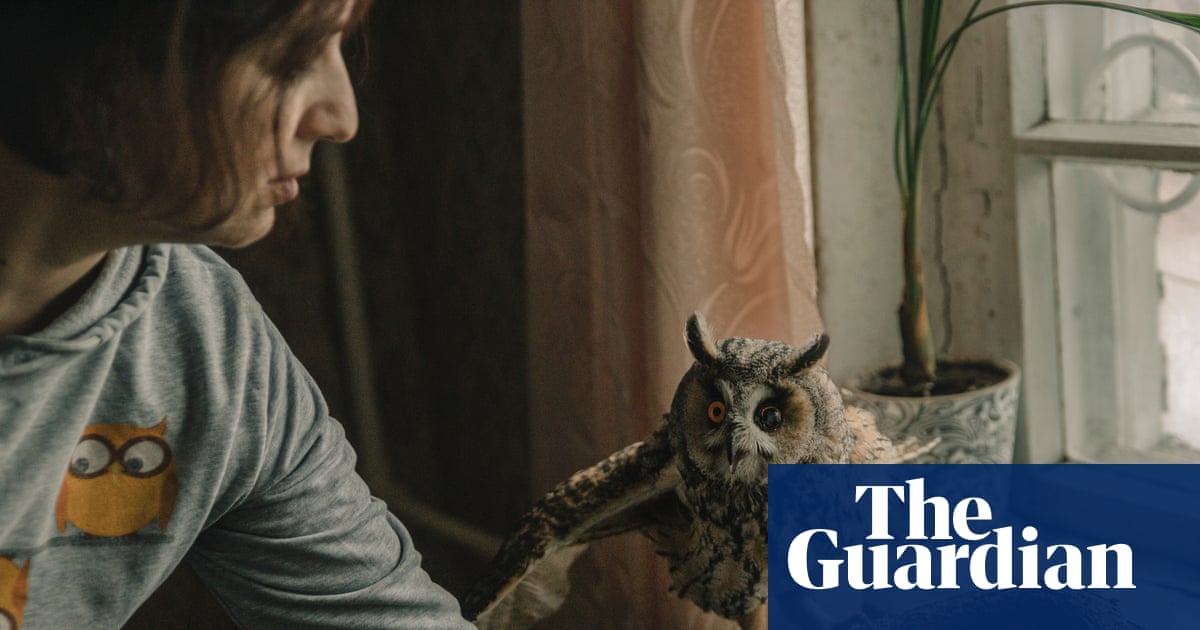
DNIPRO, Ukraine – Sunny, a long-eared owl, lies injured in Dnipro, a stark reminder of the devastating ecological consequences of Russia's ongoing war in Ukraine. Blinded in one eye and with a wing amputated after a Russian drone attack near Zaporizhzhia in February, Sunny represents the countless unreported casualties of a conflict that disproportionately harms the most vulnerable.
The attack, part of a larger pattern of Russian aggression, not only targeted civilian infrastructure in Zaporizhzhia but also wreaked havoc on the natural environment. Sunny's plight underscores how marginalized communities – including wildlife – bear the brunt of violent conflict and environmental degradation.
Veronica Konkova, a biologist who has been rescuing injured birds since 2015, provides Sunny with care. Konkova's dedication highlights the critical role of grassroots activists and volunteers in mitigating the war's impact. However, individual acts of kindness cannot compensate for the systemic destruction caused by military aggression.
The war has had a disproportionate impact on Ukraine's bird population. Birds are trapped in nets meant to protect roads from drones. Explosions, fires, and pollution further exacerbate the crisis. Owls are also particularly vulnerable to entanglement in fiber-optic cables from Russian drones, illustrating the insidious and far-reaching effects of modern warfare.
The destruction of nature reserves, vital breeding grounds for migratory species, is especially alarming. Oleksandr Ponomarenko, an ornithologist at the Dnipro-Oril nature reserve, describes the disappearance of numerous bird species due to the drying of floodplains and reduced water levels in reservoirs, a direct consequence of Russian attacks on hydroelectric power stations along the Dnipro river.
The 2023 destruction of the Kakhovka dam was an environmental catastrophe, causing massive flooding and long-term ecological damage. This act of aggression illustrates the deliberate targeting of critical infrastructure, with devastating consequences for both human and animal populations. The shrinking floodplains are decimating feeding grounds, leading to the collapse of local ecosystems.
Ponomarenko's list of disappearing species – including teal, ferruginous ducks, goldeneye, and white-fronted geese – paints a grim picture of ecological collapse. This biodiversity loss not only threatens the intrinsic value of Ukraine's natural heritage but also undermines the delicate balance of the food chain, with potential long-term consequences for the entire ecosystem.