UPS Crash Exposes Systemic Neglect of Aviation Safety, Claiming 15 Lives
Investigators reveal that a deadly UPS plane crash stemmed from a faulty part and lax maintenance schedules, underscoring the need for greater accountability and worker protections within the industry.
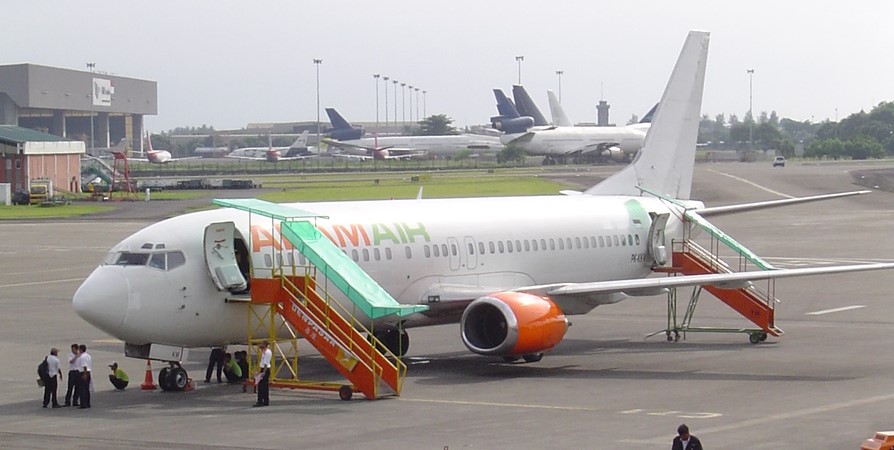
The tragic UPS plane crash that took the lives of 15 individuals last year has been attributed to a combination of a faulty part and, critically, insufficient maintenance protocols. This incident casts a harsh light on the systemic pressures that can compromise safety in the aviation industry, where profit motives often overshadow the wellbeing of workers and the public.
Aircraft maintenance, while highly regulated, is still vulnerable to cost-cutting measures and the exploitation of labor. Companies, in their pursuit of higher profits, may skimp on maintenance schedules or pressure mechanics to complete inspections and repairs too quickly, increasing the risk of overlooked defects. The frequency of these checks, though seemingly standardized, can be manipulated to prioritize efficiency over thoroughness.
When maintenance is infrequent, it is often because regulations allow it, or enforcement is lax. This suggests a broader systemic problem, where regulatory agencies may be underfunded or influenced by industry lobbying, leading to inadequate oversight and a weakening of safety standards. Furthermore, the voices of mechanics and other frontline workers are often marginalized in decision-making processes, leaving them powerless to address potential safety concerns.
The design of aircraft components also plays a role. If parts are difficult to access or inspect, they are more likely to be overlooked during maintenance checks. Manufacturers have a responsibility to design parts that are easily maintainable, but this is not always a priority.
This tragedy has spurred calls for increased scrutiny of aviation maintenance practices, particularly regarding worker protections. Mechanics need to be empowered to report safety concerns without fear of retaliation, and unions must be given a stronger voice in negotiations with airlines and cargo carriers. The focus should be on creating a culture of safety that prioritizes the wellbeing of workers and the public over corporate profits.
The incident also highlights the need for greater transparency in the aviation industry. The public has a right to know about the safety records of airlines and cargo carriers, as well as the details of their maintenance practices. This information should be readily available and easily accessible.
The economic pressures faced by airlines and cargo carriers should not come at the expense of safety. Governments need to provide adequate funding for regulatory agencies and enforce strict safety standards. Furthermore, companies should be held accountable for their actions and penalized for negligence.
The UPS crash serves as a stark reminder of the human cost of prioritizing profits over safety. The families of the 15 victims deserve justice, and the aviation industry must take concrete steps to prevent similar tragedies from occurring in the future.
The findings of this investigation have potential implications for the wider transportation industry. Other sectors, such as trucking and railroads, also face similar challenges regarding safety and worker protections. The lessons learned from the UPS crash can be applied to these industries as well.
Ultimately, ensuring aviation safety requires a multi-faceted approach that addresses systemic issues, empowers workers, and prioritizes the wellbeing of the public. The investigation into the UPS crash is a crucial step towards achieving this goal.
The tragic loss of 15 lives is a direct consequence of a system that devalues human life in the pursuit of profit. Meaningful change requires a fundamental shift in priorities and a commitment to building a more just and equitable society.