U.S. Airstrikes in Nigeria Raise Concerns Over Civilian Impact and Long-Term Strategy
Following joint operation claim, renewed military engagement highlights the need for a holistic approach to addressing extremism rooted in systemic inequalities.

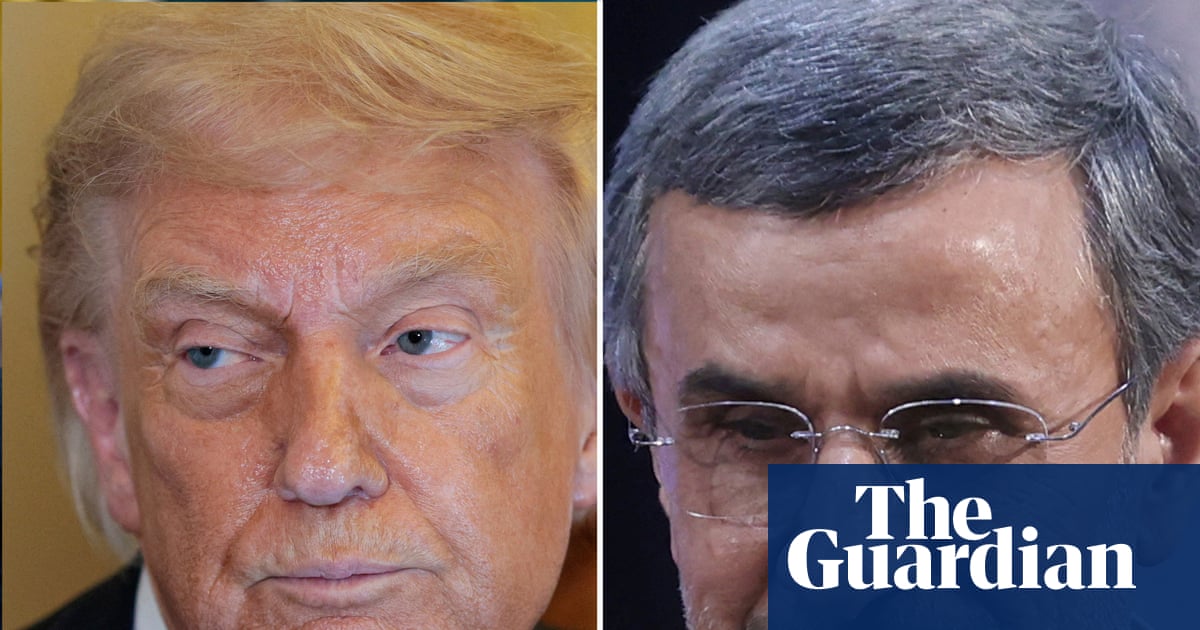
U.S. military forces conducted airstrikes targeting ISIS fighters in Nigeria, in conjunction with the Nigerian military. The operation follows a recent claim by former President Trump of a joint operation that resulted in the death of an Islamic State leader. While the stated objective is to combat terrorism, the renewed military engagement raises serious questions about the potential for civilian casualties, the effectiveness of military-first approaches, and the underlying factors fueling extremism in the region.
The history of U.S. military intervention in Africa is fraught with unintended consequences, often exacerbating existing conflicts and undermining local governance. Airstrikes, while potentially effective in the short term, can displace communities, disrupt livelihoods, and create resentment that fuels further radicalization. The lack of transparency surrounding these operations makes it difficult to assess their true impact on the civilian population.
Nigeria faces a complex web of challenges, including poverty, inequality, corruption, and environmental degradation. These factors create fertile ground for extremist groups like ISIS to recruit vulnerable individuals. A purely military approach fails to address these root causes and may even exacerbate them.
The focus on military solutions often diverts resources away from crucial development programs, such as education, healthcare, and job creation. These programs are essential for building resilient communities and providing alternatives to extremism. International aid should prioritize these long-term investments rather than relying on short-term military interventions.
Moreover, the reliance on airstrikes raises ethical concerns about the use of force and the potential for violations of international law. The U.S. military must ensure that all operations are conducted in accordance with international humanitarian law and that every effort is made to minimize harm to civilians. Independent investigations into allegations of civilian casualties are essential for accountability and transparency.
Furthermore, the U.S. government must acknowledge its role in creating the conditions that have allowed ISIS to thrive. Decades of military intervention in the Middle East and Africa have destabilized the region and contributed to the rise of extremist groups. A more responsible foreign policy would prioritize diplomacy, conflict resolution, and support for human rights.
The claim of a joint operation resulting in the death of an ISIS leader should be viewed with skepticism. Past claims of similar successes have often been exaggerated or based on unreliable intelligence. A more transparent and accountable process for verifying such claims is needed.
Ultimately, the fight against extremism requires a holistic approach that addresses the underlying causes of conflict and inequality. This includes investing in education, healthcare, and economic development, promoting good governance, and supporting civil society organizations. Military intervention should be a last resort, not the first option.
Furthermore, it is critical to amplify the voices of local communities and civil society organizations who are working to counter extremism from the ground up. These actors often have a better understanding of the local context and are more effective at building trust and promoting reconciliation.
The U.S. government must also address its own role in fueling Islamophobia and xenophobia, which can contribute to the radicalization of individuals both at home and abroad. A more inclusive and welcoming society is essential for countering extremism.
The impact on the Nigerian people, especially the marginalized and vulnerable, needs continuous assessment and support, ensuring their safety and well-being are prioritized above geopolitical goals.
Sources: * United Nations Development Programme (UNDP) * Amnesty International * U.S. Agency for International Development (USAID)