U.S. Escalates Cuban Sanctions, Risking Humanitarian Crisis Amid Venezuelan Turmoil
The U.S. is tightening the screws on Cuba following military action in Venezuela, raising concerns about the impact on Cuban citizens.
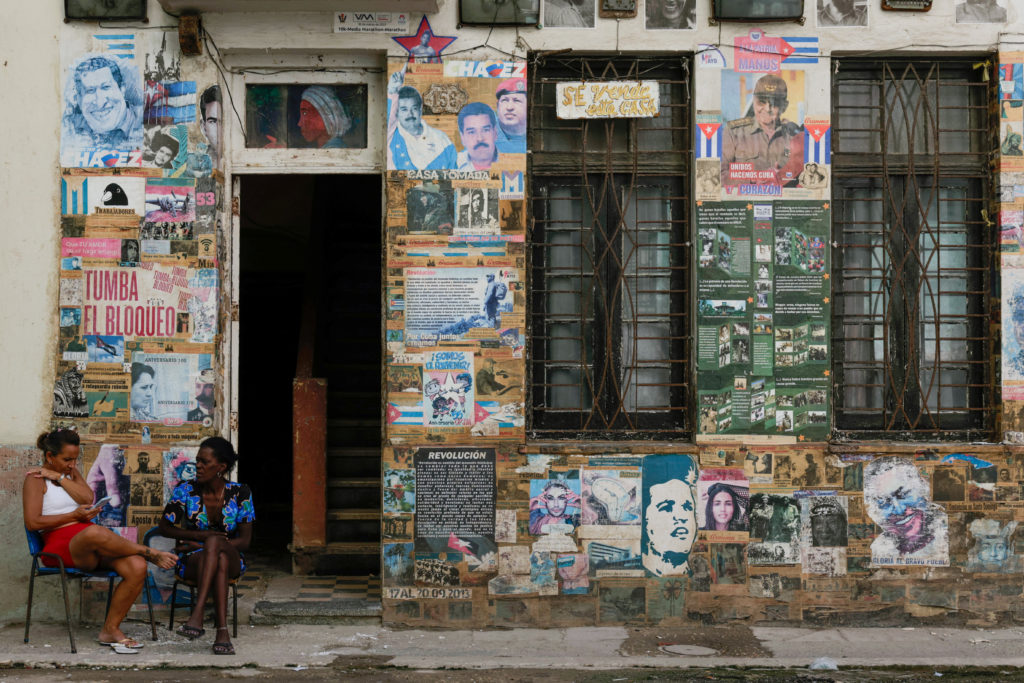
The United States is once again ratcheting up its decades-long pressure campaign against Cuba, this time in the wake of military actions in Venezuela that led to the capture of President Nicolás Maduro. While the stated aim is to promote democracy and human rights, critics argue that these policies primarily harm ordinary Cubans and exacerbate existing inequalities.
The recent escalation is rooted in events in Venezuela. The details surrounding the military action that resulted in Maduro's capture are murky, but the U.S. has long opposed his regime, citing human rights abuses and corruption. However, critics argue that U.S. intervention in Venezuela's internal affairs is itself a violation of international law and a destabilizing force in the region.
The U.S. embargo against Cuba, which dates back to the early 1960s, has had a devastating impact on the Cuban economy. The embargo restricts trade and investment, limiting Cuba's access to essential goods and services. Studies have shown that the embargo has contributed to poverty, food shortages, and a lack of access to healthcare on the island.
Under the Obama administration, there was a brief period of détente between the U.S. and Cuba. Embassies were reopened, travel restrictions were eased, and some economic sanctions were lifted. This policy shift was widely praised for its potential to improve the lives of Cuban citizens and foster greater understanding between the two countries. However, the Trump administration reversed many of these policies, returning to a more confrontational approach.
The current administration's renewed pressure on Cuba includes tightening economic sanctions, restricting travel, and increasing diplomatic pressure. These measures are likely to further strain the Cuban economy and exacerbate the hardships faced by ordinary Cubans. Advocates for human rights argue that these policies are counterproductive, as they punish the entire population for the actions of their government.
Progressive analysts argue that the U.S. should adopt a more constructive approach to Cuba, one that prioritizes diplomacy, engagement, and respect for Cuban sovereignty. They point to the success of the Obama-era policies, which led to increased cultural exchange, economic opportunities, and a greater sense of hope among the Cuban people. They also emphasize the importance of addressing the root causes of instability in the region, such as poverty, inequality, and lack of access to education and healthcare.
The U.S. policy towards Cuba has always been intertwined with its broader geopolitical interests. During the Cold War, Cuba was seen as a Soviet ally and a threat to U.S. security. Today, Cuba is viewed by some as a supporter of authoritarian regimes in Latin America, particularly Venezuela. However, critics argue that this narrow focus on geopolitical considerations ignores the human cost of U.S. policies.
Instead of pursuing a policy of confrontation, the U.S. should work with Cuba to address shared challenges, such as climate change, public health, and drug trafficking. By fostering greater cooperation and understanding, the U.S. can help to create a more stable and prosperous future for both countries.
Ultimately, the goal of U.S. policy should be to improve the lives of Cuban citizens and promote human rights and democracy. This can only be achieved through a policy of engagement, dialogue, and respect for Cuban sovereignty. The current policy of pressure and isolation is not only ineffective but also morally reprehensible.
Sources:
* United Nations Human Rights Council * Center for Economic and Policy Research * The Brookings Institution