US Indictment of Raúl Castro: A Symbolic Gesture Amid Ongoing Cuban Crisis
The indictment of the former Cuban president raises questions about justice, historical context, and the impact of US policy on the Cuban people.
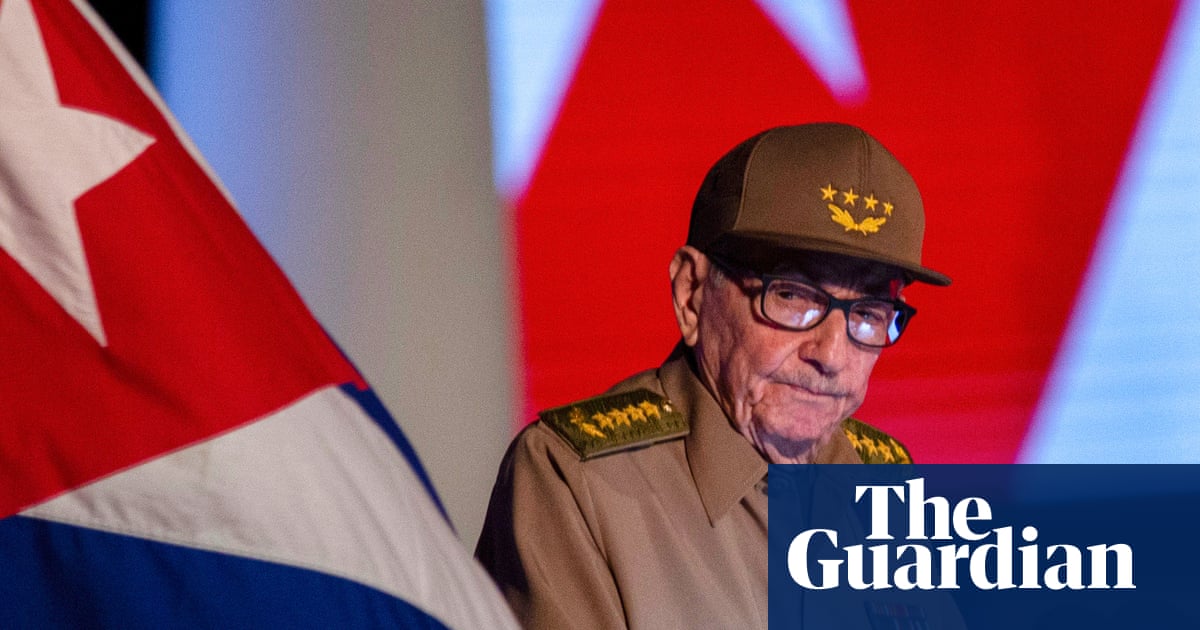
MIAMI — The US government's indictment of former Cuban President Raúl Castro on charges related to a 1996 incident marks a significant, albeit symbolic, escalation in its decades-long pressure campaign against the island nation, raising questions about the pursuit of justice versus the perpetuation of harmful policies.
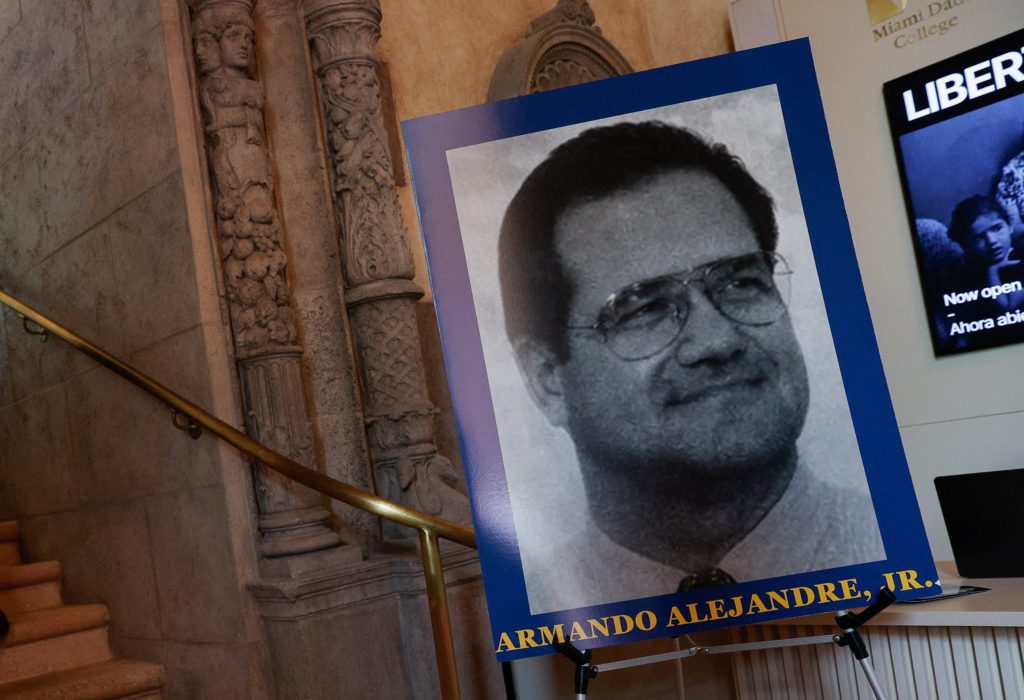
The indictment, filed in Miami, Florida, accuses the 94-year-old Castro of conspiracy to kill US nationals, four counts of murder, and two counts of destruction of aircraft in connection with the shooting down of two planes belonging to the Brothers to the Rescue organization. This group, based in Miami, conducted search and rescue missions for Cuban refugees fleeing the island, a practice viewed by some as provocative given the perilous journey many faced.
The incident resulted in the deaths of four individuals, adding fuel to the already strained relationship between the US and Cuba. While accountability for the loss of life is paramount, critics argue that the indictment of Castro decades later does little to address the immediate suffering of the Cuban people, exacerbated by US sanctions and the ongoing economic crisis.
Secretary of State Marco Rubio's assertion on X that Cuba's energy crisis is solely due to government corruption ignores the devastating impact of the US embargo, which has severely restricted Cuba's access to vital resources, including oil and medical supplies. This embargo, in place for over six decades, has been widely condemned by international organizations as a violation of human rights and an impediment to Cuba's economic development.
Cuba's Deputy Minister of Foreign Affairs, Carlos Cossio, rightfully called out Rubio's hypocrisy, emphasizing that the US's aggressive policies are a significant factor in the hardships faced by the Cuban population. This tension highlights the need for a more nuanced understanding of the situation, one that acknowledges the complex interplay of internal governance and external pressure.
The Cuban-American congressional delegation's celebratory reaction to the indictment, characterizing the Castro family as “gangsters,” further underscores the deeply polarized views surrounding Cuba. While acknowledging the pain and suffering of those who fled the island, it's important to recognize the agency and resilience of the Cuban people who continue to navigate a challenging landscape.